
Ever since I was a kid, I remember waiting impatiently for the monsters in the movie to appear. I was always moving around, doing head stands or jiggling my knees, but whenever there were strange creatures, shaggy beasts, alien beings, or puppets on the screen they had my full attention. My family brought our groceries home in big, thick paper bags and one of my favorite things to do was cut arm holes in the sides, draw monster teeth and fur all over them, and cavort around the house in my own solo Wild Rumpus. I haven’t changed all that much, either. Just the other night I was watching Roger Corman’s It Conquered the World (1956) and waiting, albeit a bit more patiently than when I was little, for the gremlinesque alien to finally emerge from the cavernous depths with its claws waving. It only makes sense that I’ve been countering the encroaching winter darkness by watching season after season of Syfy’s special effects makeup reality competition show, Face Off (2011-2018) and pondering the fascinating evolution of practical makeup effects in film, fictional cryptozoology, and how much impact creature design has had on my own imaginary world.
The mentor advising the Face Off contestants on their sculpts is Michael Westmore, who worked on The Munsters and created vast numbers of aliens for over 600 episodes of Star Trek across multiple iterations from The Next Generation to Enterprise, as well as disguises for the FBI. His daughter, McKenzie, is the host, and they are part of generations of Westmores who have been behind the scenes of Hollywood makeup stretching back to the startup of George Westmore’s makeup studio in 1917. George created fake ringlets for silent movie star Mary Pickford’s signature hairdo so she didn’t have to style it every day, and his six sons became chief makeup artists at most of the major Hollywood studios. Wally Westmore worked with cinematographer Karl Struss to engineer the transformation of Dr. Jekyll and Mr. Hyde (1931), which involved using makeup that was invisible under red light with red/green lamps to bring about the change. Arthur L. Todd also applied Struss’ technique using single color makeup with the same color lens filter then removing it for the remarkably seamless transformation from Nanny to Octopus woman in Sh! The Octopus (1937) .
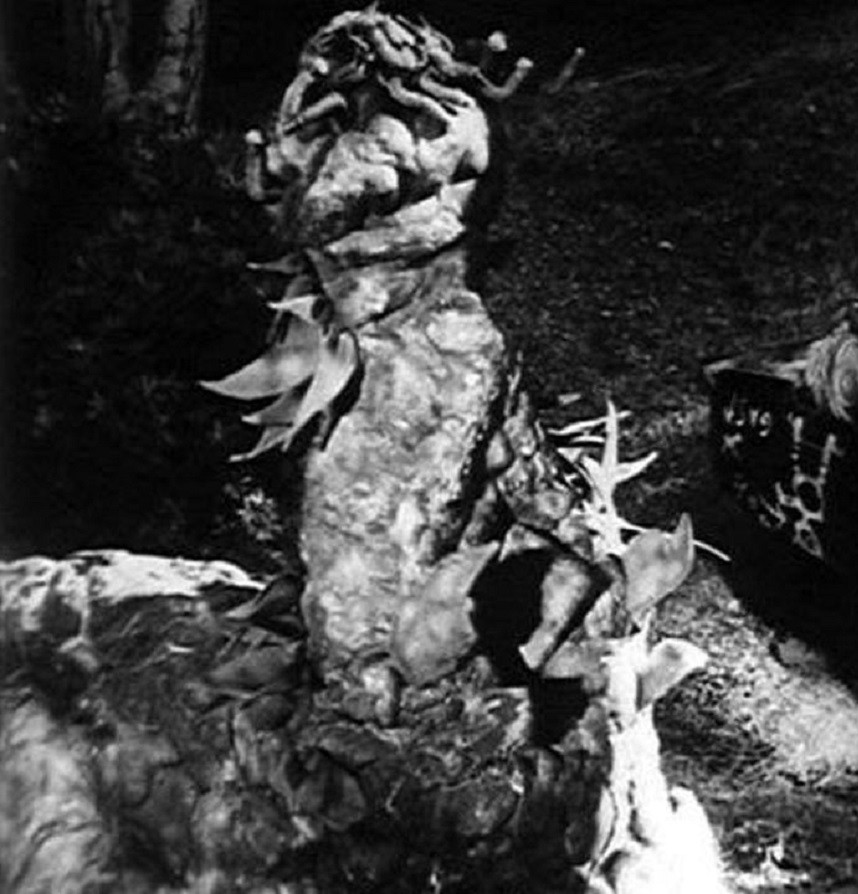
I love hearing about the history of special effects makeup in Hollywood, especially all of the things that they MacGyvered early on. Legendary 1930s monster movie makeup innovator Jack Pierce created Dracula’s face with green makeup that looked ghostly white on black and white film, and used early prosthetics and wire to curve Lon Chaney’s nose up in Phantom of the Opera (1925). Designer Milicent Patrick created the Gill Man in Creature from the Black Lagoon (1954) using a one-piece latex suit with molded rubber sponge, which didn’t breathe, so actor Ricou Browning spent most of his time on the lot in a pool and had to be hosed off regularly on the sound stage to keep him from overheating. The 1950s and 60s saw a lot of rubber suits and latex appliances, including Toho Studios’ Godzilla and kaiju films, as well as a cornucopia of creatures constructed from strange and imaginative materials, like the dyed silicone gooeyness of The Blob (1958) that gets redder with each meal, the hilariously slow carpet-like terrors of The Creeping Terror (1964), and what designer Paul Blaisdell described as a nightmarish “pear-shaped, cucumber-like creature” in It Conquered the World (1956), which he nicknamed “Beulah”. The film starred Beverly Garland, who claimed that when she first saw the creature, she said “That conquered the world?…Roger! I could bop that monster over the head with my handbag!” I would love to see Face Off: Golden Age, where the contestants have to make creatures out of the materials available to VFX artists of the 1920s-1950s.

Each season of Face Off takes a new group of special effects makeup artists and puts them through a series of fantasy, sci-fi, and horror-based elimination challenges. The concepts for the challenges are really cool, and lots of the makeups the artists create are amazing, especially given the pressure-cooker timelines they are given to execute them. The judges for the later seasons are all Emmy Award-winning artists who have worked on major films and shows: makeup artist Glenn Hetrick (Star Trek Discovery, The Hunger Games), creature and concept designer Neville Page (Star Trek Discovery, Super 8, TRON: Legacy), and makeup artist Ve Neill (Beetlejuice, Edward Scissorhands, The Hunger Games), who has won Emmys, Oscars, and has a list of credits so long I wasn’t sure which ones to pick. Collectively they all have a ton of connections to bring to the show as guest judges, including Elvira, Mistress of the Dark, make-up artist Rick Baker and sculptor/designer Jordu Schell, who worked on Planet of the Apes and the Men in Black movies, and phenomenal creature actor and contortionist Doug Jones, who has brought a wide range of creepy characters to life including the Faun and the Pale Man in Pan’s Labyrinth and Baron Afanas in What We Do in the Shadows.
Face Off has all the stock elements of a reality competition show, with time constraints, challenge twists, and artificially drawn out pauses before the judging verdicts, but the really interesting parts are the setups for the challenges, the expert feedback from the judges and mentors, and watching all the techniques and materials the artists use to create their makeups. Each spotlight challenge kicks off with the contestants going to a thematically staged location where they do their initial concept sketches, and the show doesn’t skimp on the setup. The old west steampunk cyborg challenge starts with a trip to the western ghost town at Paramount Ranch, which has been a shooting site for all kinds of productions including Gunfight at the O.K. Corral, The X-Files, Firefly¸ and Van Helsing, and there’s a cyclops challenge that starts with contestants picking one of a series of fancy eyeballs floating in jars from a mini-apothecary shop set up in the workshop. There have been challenges to create creepy living dolls and pirates with iconic beards, design monsters around their teeth and trolls based on their bridges, and even create imaginary friends from the descriptions of children. In later seasons, the finalists get to work with actual directors and scripts to shoot short films for a full production experience. In season 10 they brought in three young writer/directors to script and shoot adaptations of a short story from The Blumhouse Book of Nightmares (Vintage, 2015). Jason Blum, himself, was on the judging panel, and next year Blumhouse is producing a film by one of them. It’s a feature length version of Bryce McGuire’s short film, Night Swim, about a family with a haunted backyard swimming pool.


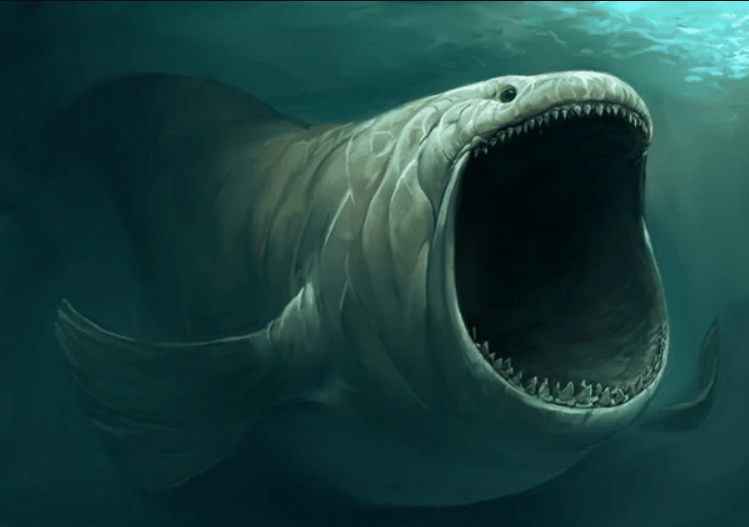
I think one of the most interesting concepts was in Season 10, where the contestants venture into some old ruins in the California desert and select a fake artifact to inspire their creature design, but each artifact also comes with a recorded snippet of an imaginary language created by conlanger David Peterson, who developed the Dothraki language for the Game of Thrones tv series. Their creatures have to look like they would speak that language and have anatomy that would make them capable of producing those sounds. It kind of makes me think of The Bloop. In 1997, researchers recorded a unique, mysterious underwater sound in the Pacific Ocean that was loud enough to be picked up by microphones over 3000 km apart. Scientists from the National Oceanic and Atmospheric Administration (NOAA) theorized about what might have caused it, and one theory that took root in the popular imagination was some kind of giant undiscovered marine creature capable of making an immensely loud bloop. It wasn’t until 2005 that researchers in Antarctica confirmed that the sound was actually an icequake, which left plenty of time for artistic speculation on the potential appearance of The Bloop based on how it sounded. I love the image that seems to get used as clickbait for a lot of Bloop stories, which appears to actually be an unrelated drawing that people thought looked Bloop-like. I wish that someone would use that creature sketch to make a Bloop movie in the vein of Sharknado or Deep Blue Sea.

I can’t help thinking that there is a lot of overlap between creature design, paleontology, and cryptozoology. Paleoart uses information from fossilized bones, skin, scales, fat, and feathers to create scientifically sound, but still imagined, visions of what long extinct creatures might have looked like. Their concepts have evolved from the earthy reptilian images of my youth to include bright colors and feathers that reflect the more recently discovered avian roots of dinosaurs. Cryptozoological art fully imagines what mysterious creatures might look like based on legends, sightings, sounds, and blurry photography, which have spawned so many different concepts of what mythical cryptids like chupacabras or Moth Man might look like. Truly excellent creature designers have an impressive understanding of anatomy and skeletal structures as well as color and form. For example, Terryl Whitlatch, who was the principal creature designer for Star Wars Episode 1, has created several beautiful and fascinating books of concept art** that include drawings of her creatures and the real-world animals that inspired them, with detailed views of their real and imaginary muscular and skeletal structures.

Whitlatch’s books also make me think of artist Shing Yin Khor’s work, especially her Strange Friends drawing series, which includes gorgeous watercolor paintings/drawings of creatures such as the Rainbow Antlered Bunmous, Leafy Eggstealer, or Deathcap Shroombeast, along with naturalistic illustrations of the foliage they eat and notes on how to attract (or avoid) them. I’m not sure how effectively the dreaminess of watercolor critters could be brought to life with puppetry and animatronics, but I would love to see them and their environments realized on film or in a slow, peaceful open world video game. One place where the detail and aesthetics of creature concept art and the wonder and challenge of bringing them to life on screen come together incredibly well is in director Michael Matthews’ post-apocalyptic adventure film, Love and Monsters (2020). After an asteroid hits earth, the chemical fallout creates a world where giant mutant cold-blooded animals and insects like Hell Crabs, Sand Gobblers, and Siren Centipedes roam the Earth and the small number of surviving humans have to live in hidey-holes to stay safe. The main character, Joel, risks a cross-country journey to reunite with his girlfriend, and along the way creates a hand-drawn compendium of the creatures and plants he encounters with notes on how to handle them. His drawings, created by film illustrator Alex Moy, look like concept art, and actually incorporating them into the movie as a prop is a fantastic idea.


The style of the effects led by VFX supervisor Matt Sloan with Mr. X/MPC and Mill Film reminds me a bit of Ray Harryhausen (Clash of the Titans, Valley of Gwangi) and earned them an Oscar nomination. The way they described designing the creatures, grounded in the reality of their current real-world state but mutated with a view to how they would interact with their post-apocalyptic environments could be a Face Off challenge. It’s a fantastic film (unless you’re freaked out by insects), but possibly my favorite thing about it is how clearly they managed to communicate that a lot of the creatures aren’t really out to get anyone, they are, as Mr. X animator Matt Everett says, “just horrified and confused about what’s happened to them.” As you would be, my friend. As you would be.
*The drawing appears to be “The Leviathan” by comics artist Jef Chang and to have nothing to do with The Bloop, although I couldn’t verify that aside from it being on their Deviant Art page
**Books by Terryl Whitlatch: Principles of Creature Design, Science of Creature Design, and Animals Real and Imagined
Awesome creatures in the featured image at the top of the article were designed by Matt Valentine.
~~~
Alex MacFadyen dreams of someday having his own creature laboratory.
Categories: Screen



 The Cultural Gutter