
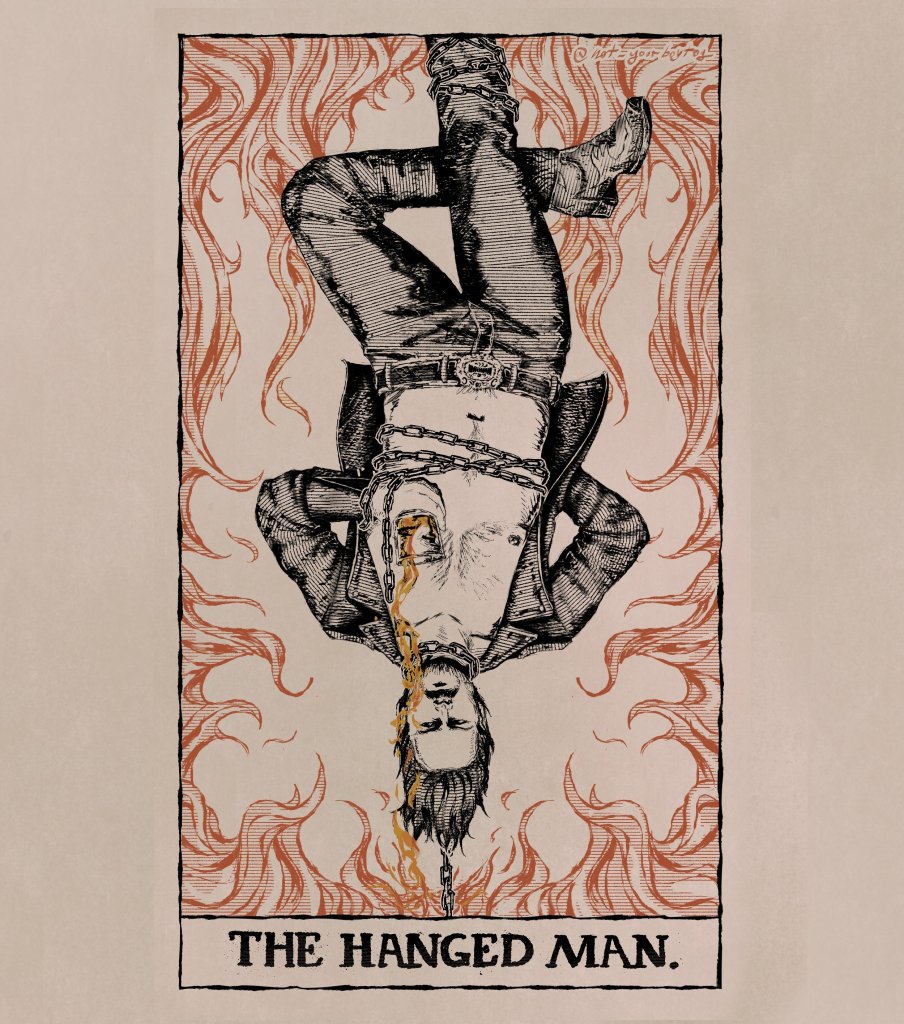
“The hanged man understands that his position is a sacrifice that he needed to make in order to progress forward – whether as repentance for past wrongdoings, or a calculated step backward to recalculate his path onward. This time he spends here will not be wasted, he does this as part of his progression forward.”
Labyrinthos
When All Elite Wrestling first started up, there were several potential contenders that could conceivably step up to be the face of its male roster. Its “main character,” if you will, that could shepherd new fans through the fledgling company’s new identity and ideas. The ever-evolving and dastardly Chris Jericho would be the aging, salty legend with the recognizable pedigree and persona. Kenny Omega, the enigmatic show-stealer, had a long list of accolades and the reputation of being one of the best wrestlers in the world, if not at the tippy-top of that list. There was Cody Rhodes, who came from a prestigious wrestling family and who seemed destined to be the ‘white meat babyface’ that every wrestling company needs, carrying himself as a champion and a star anytime he was onscreen whether or not he was either of these things. Jon Moxley soon showed up to be the rebellious anti-hero, the deathmatch-savant whose transgressive nature would set the tone for AEW’s identity in the wrestling space and who continues to define the company with his ruthlessly violent and self-righteous ways.
And then there was “Hangman” Adam Page.
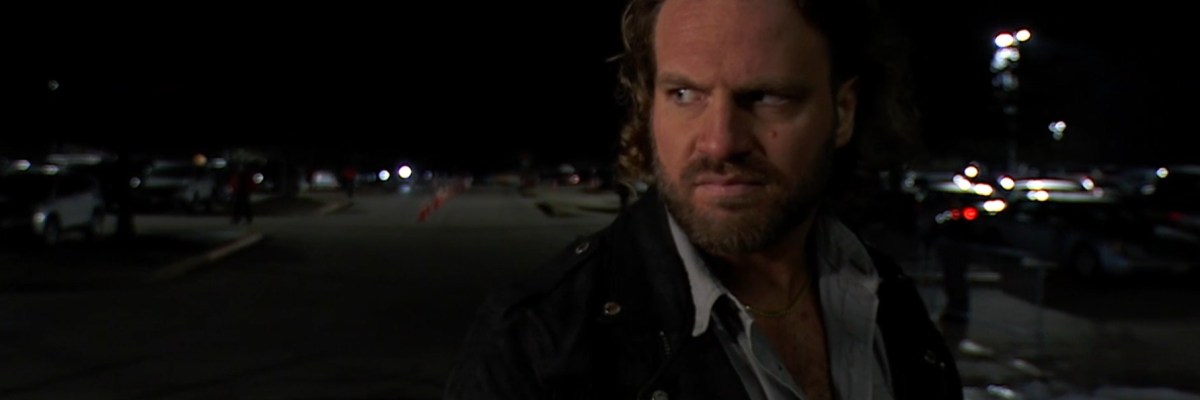
At first, it was hard for me to know what to make of Page. He was – and remains – a fantastic in-ring performer, but so was almost everyone in AEW. He had an ongoing alliance with Omega and the rest of the “Elite” group of wrestlers for which the company takes its name, but always felt on the outskirts of that group and distanced from the core three of the Young Bucks and Kenny Omega. His persona of an everyman, a Virginia-bred cowboy and a real-life former teacher, felt as much primed to be a conquering babyface as Rhodes was, but Cody was also right there. What sets Page apart from the edgier set of performers in the company is that he came across as a good guy even amongst the good guys. He has a vulnerability and tenderness that’s atypical of a pro wrestler. He had – and has – an intensity that he can tap into when pushed, but it’s not the ‘always-on’ intensity that most American wrestlers are known for. Less growling and yelling and more introspective and honest. His vulnerabilities make his particular brand of violence scarier and even more compelling to watch. His steadfast sense of goodness underscored even the most brutal of offense in the ring and communicated that Hangman was willing to do anything to ensure that justice and goodness prevailed. This is something to which a lot of wrestling ‘good guys’ pay lip service, but all-too-rarely follow through on. Page even came up with a term for it that fans chanted and still chant in arenas all over the world.
Cowboy Shit.
As of this writing, Hangman has had two major arcs in his time in AEW, both of which culminated in a Men’s World Championship* win. The first was defined by Page having to overcome his insecurities and failures to defeat his former friend and tag partner Kenny Omega, who was corrupted by the evil Don Callis and had brought a dark cloud over AEW. Page struggled with anxiety stemming from always feeling like a fringe member of the Elite, a band of wrestlers led by Omega and the Young Bucks that considered themselves the best in the industry. Page never really felt like he lived up to that reputation while Omega and the Bucks had a bunch of championships and classic matches and rivalries across several companies and across the world to support their claims. Page was good but, at the time, untested. He was also struggling with (a storyline, or ‘kayfabe’) alcoholism which amplified his insecurities, as it often does. After months of setbacks while his close friends in the charming and totally-not-a-cult stable The Dark Order rallied around him, Page overcame his anxieties and his alcoholism to win the championship from Omega at Full Gear 2021. This ended up cementing one of the foundational themes of AEW, that friendship is powerful and valuable, and always wins out in the end.
Hangman’s second major arc was also about overcoming adversity, but this time in the form of anger and the corrupting pursuit of revenge. At the outset of his feud with (then-villain) Swerve Strickland, Swerve broke into Page’s home while Page wasn’t there and threatened him via a video message while looming over his newborn son’s crib. Home invasion is a story beat that wrestling has used a bunch of times but tends not to have a lasting effect on the characters involved. Unlike most of those stories, Swerve’s transgression broke Page emotionally and led to Page losing his focus and his composure, burning down Swerve’s childhood home in retaliation while also signaling a much darker turn to Hangman’s character than we’d seen from him in AEW so far. This was enmity taken far outside the boundaries of the ring, and it would take a series of increasingly violent matches – some of the most extreme in AEW’s history (which is saying a lot) – where much of both Swerve and Hangman’s blood was spilled to resolve. Page emerged from that feud as the victor, but he was changed by it. More vicious and even more violent, and with a heartlessness that he hadn’t exhibited before. Meanwhile, the threat of the now-villainous Jon Moxley and his group of toughs, the Death Riders loomed large.
Moxley had seized the AEW World Championship (no “Men’s” at that point) and had systematically taken out all of the company’s biggest stars, including Swerve, in a long and seemingly interminable reign. Every time he’d come close to losing, his goons would swarm the arena and turn the tide back in Mox’s direction. When it seemed like there was no end in sight to this violent chicanery, Hangman emerged as the next contender and the crowd favourite to wrest the title back. In order for this to happen, Page had to lean on the assistance of both his friends and ultimately, his enemy in Swerve, to counter the Death Riders. Once again, Page had to learn that friendship and allyship were the keys to victory.
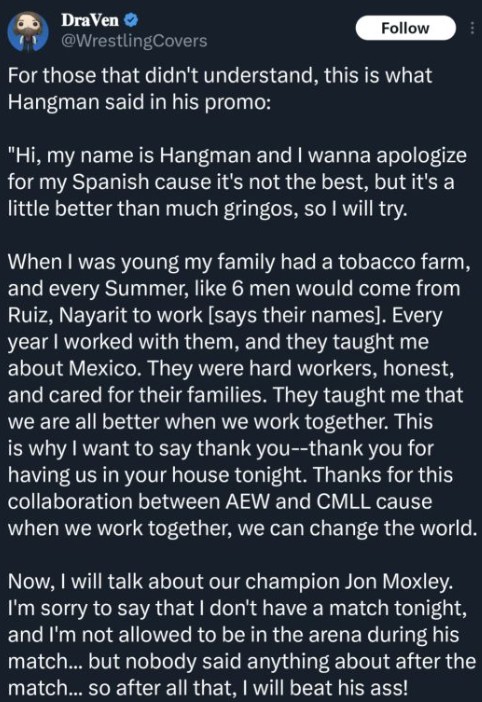
Wrestling can be a difficult narrative medium to follow if your political tendencies are firmly leftist. The biggest player in the space, WWE, has openly insinuated itself into the Trump administration as part of Robert F Kennedy’s weird and conspiracy-laden “health” initiatives and with Trump himself, who is a longtime supporter and fan of the company and who is part of their Hall of Fame’s “Celebrity Wing.” AEW tends to be the landing spot for generally left-leaning folks in the sport, though, and Hangman has been forthright in his political leanings. As a teacher, he was also a union steward. He was a Bernie Sanders guy and made donations to his campaign in 2020. Perhaps most emblematic of Page’s character is the contrast between his speech to the Mexican crowd at AEW’s Grand Slam Mexico last year and the inroads that the WWE has simultaneously made into Mexico over the same period. Where WWE’s Mexican events have had the feel of importing their product wholesale to a Hispanic audience (in their first event after their acquisition of Mexico’s AAA promotion, they sent Rey Mysterio Jr. out to cut a promo to the crowd, in English, that intimated that lucha libre was finally legitimized from its association with WWE), AEW has made efforts to adapt and integrate theirs to that audience. Hangman doing a promo in Spanish to introduce the show felt like an encapsulation of that.
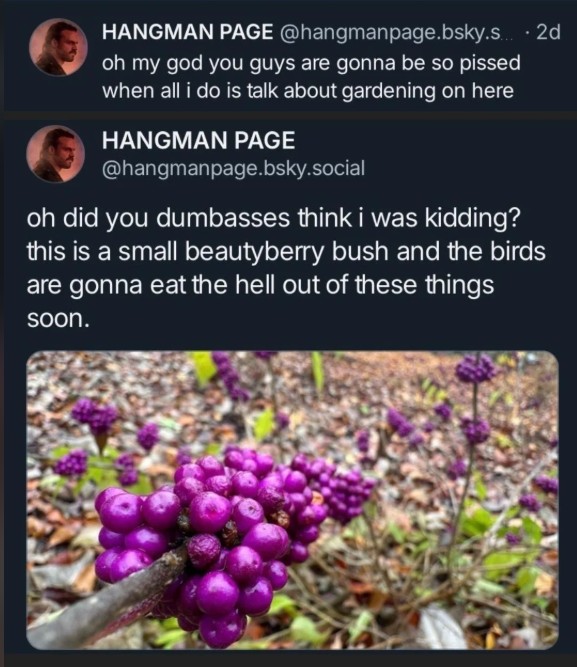
Hangman Page works as a character not because he triumphs all the time, but quite the opposite. Where Page thrives and where he connects most with the AEW audience is in defeat, and how he handles it. There’s an authenticity to Hangman that shines most brightly, if one can say anything is shining brightly from that position. That’s where his similarities to his eponymous tarot card are most apparent. His sacrifices and hardships are a “calculated step backward” that enable him to win out in the end, and his victories are so much sweeter for it. We see him get beaten down, violently and repeatedly, only to give it back to his opponent tenfold in the way we wish we could to the jerks and shitheels that cross us. There is a version of this in nearly every wrestling match and story, a hero fighting from underneath – Rocky-style – to triumph in the end. So much so that there’s an industry term for it called “selling.” But for most wrestlers, “selling” is a thing that happens exclusively in the ring, and not outside it. Wrestlers are encouraged to present as strong and confident at all times and tend not to take “backward steps” in character even in defeat, but Hangman Page often does. Even his proclivity to what I’d call ‘aggressive horticulture’ is not what you’d expect from a tough-guy wrestler, but fits perfectly with Hangman’s.
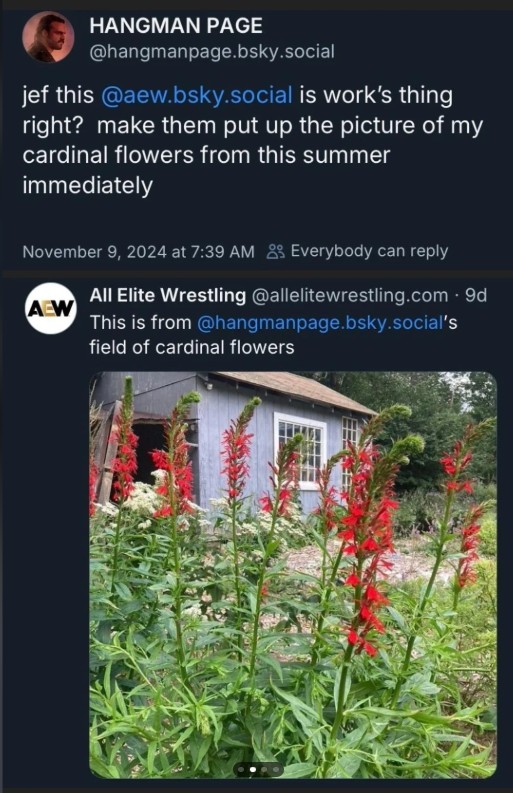
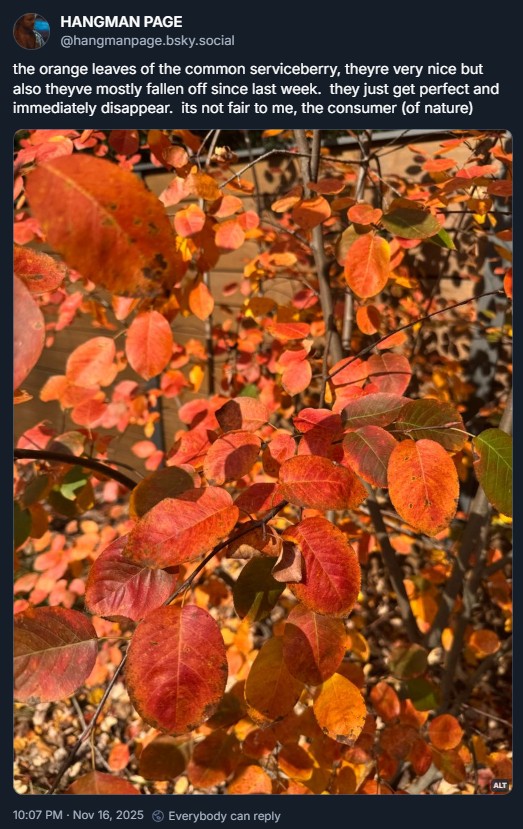
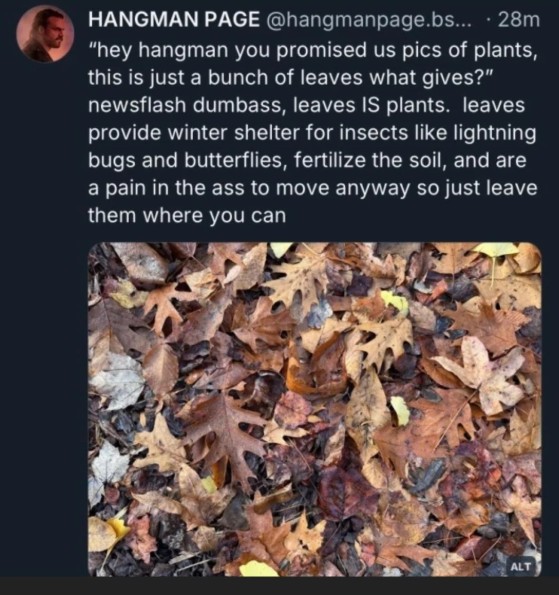
All of this is to say that while Hangman’s failures make him more relatable and substantiate his connection to the audience, he’s not defined by them. We know he’ll persevere because he falls naturally into the main character role. The layers of his character have been painstakingly built upon a foundation of honesty and a sense of righteousness – the healthy kind, not the weird kind – that feels unshakeable. For Hangman’s fans, vocal and numerous and growing in number each year, that’s Cowboy Shit.
Sachin Hingoo often refers to his failures and shortcomings as ‘playing the long game’
*It is, in fact, Hangman who started referring to the AEW Men’s World Championship as such, in an effort to show that the Women’s World Championship is on equal footing. In most other wrestling companies and even among other wrestlers in this one, it’s been the World Championship and the Women’s Championship. That’s just the kind of guy our cowboy is.
Categories: Wrestling



 The Cultural Gutter
This is a really great piece, Sachin. It captures what’s so special about Hangman, and excellent use of the Major Arcana!
LikeLike