
I like a clever mystery or procedural show but I often have to set aside the pieces that don’t align with my ethics and worldview in order to enjoy them. I mean, technically murder itself doesn’t align with my ethics so I’m always setting that aside, but every time the cops or government agents go rogue and ignore people’s civil rights, or do things exactly by the book and enforce a discriminatory system, or the victim is yet another young woman or kidnapped child whose story ends with their victimization, I have to pop it into the giant box in my head labelled “caveat” if I want to keep watching. This is nothing new. As a trans man living in current day western society I’m constantly having to set things aside and pick my battles, finding ways to enjoy life despite all of the caveats and threats. It’s an experience people of all marginalized identities have in common, even if the threat levels vary. Recently I’ve been lucky enough to find two mystery shows that I can just sit back and enjoy without compartmentalization: Deadloch (Amazon Prime) by Australian comedy duo Kate McLennan and Kate McCartney, and How to Get to Heaven from Belfast (Netflix) written by Lisa McGee, creator of the brilliant Irish comedy series Derry Girls.
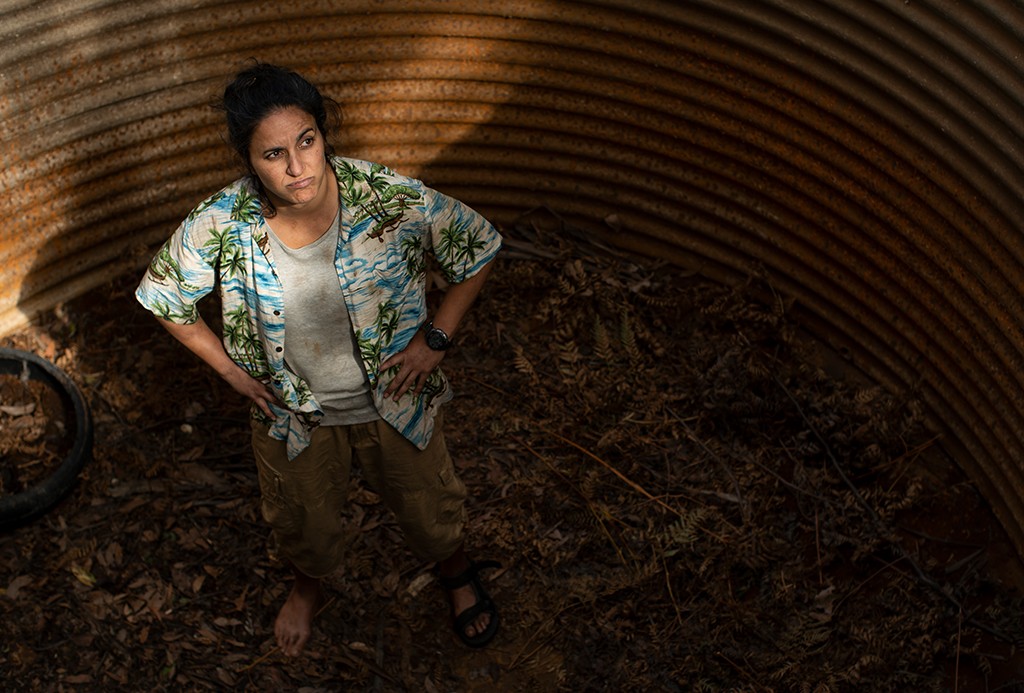
Deadloch is a Tasmanian coastal town that is chock full of lesbians. When a naked dude washes up dead on the beach, it falls to Senior Seargent Dulcie Collins (Kate Box) to investigate. There’s the familiar setup where she’s a former big city cop who has moved to an oddball small town after some kind of incident, but her slightly noirish hardboiled attitude is amusingly offset by her relationship with her new age, touchy feely wife Cath (Alicia Gardner). She keeps having to process her feelings in the middle of her investigations or take a casserole along with her. When a detective is sent from the mainland to supervise the case, it sets Dulcie up in a classic oddball pairing with a sloppy, crude, obnoxious partner who bumbles around in a Hawaiian shirt and sandals. The stereotypical messy, potty-mouthed detective everyone has to put up with is almost always a guy, but Deadloch flips all the gender-based genre conventions, so here Detective Eddie Radcliffe is played very entertainingly by Madeleine Sami (beloved for Our Flag Means Death).
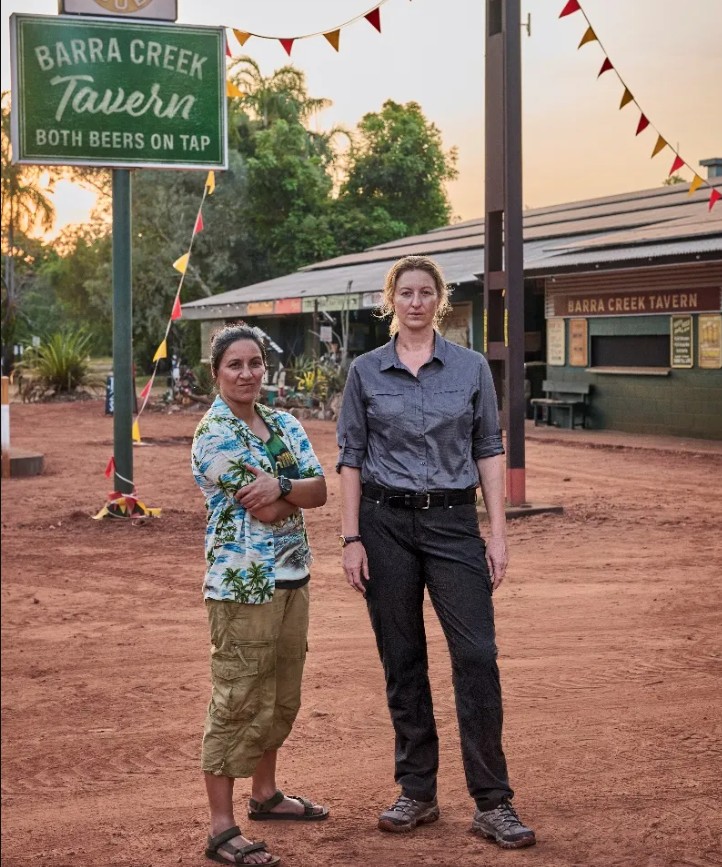
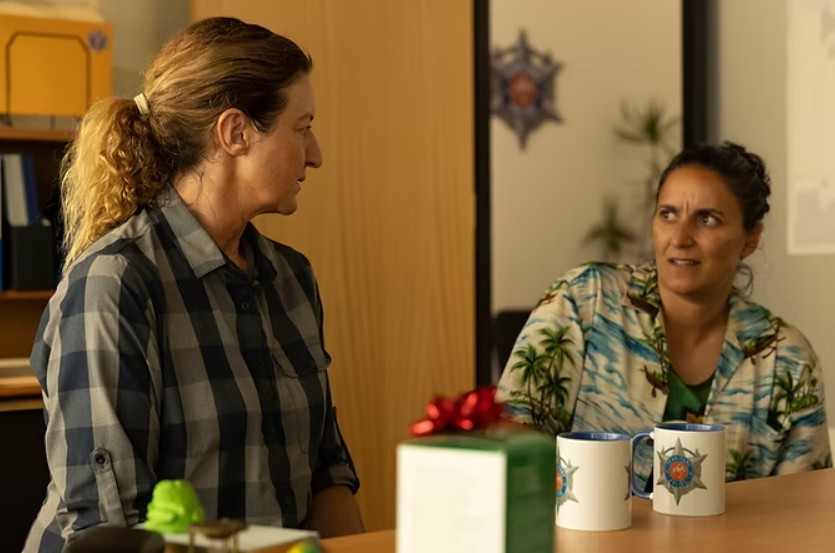
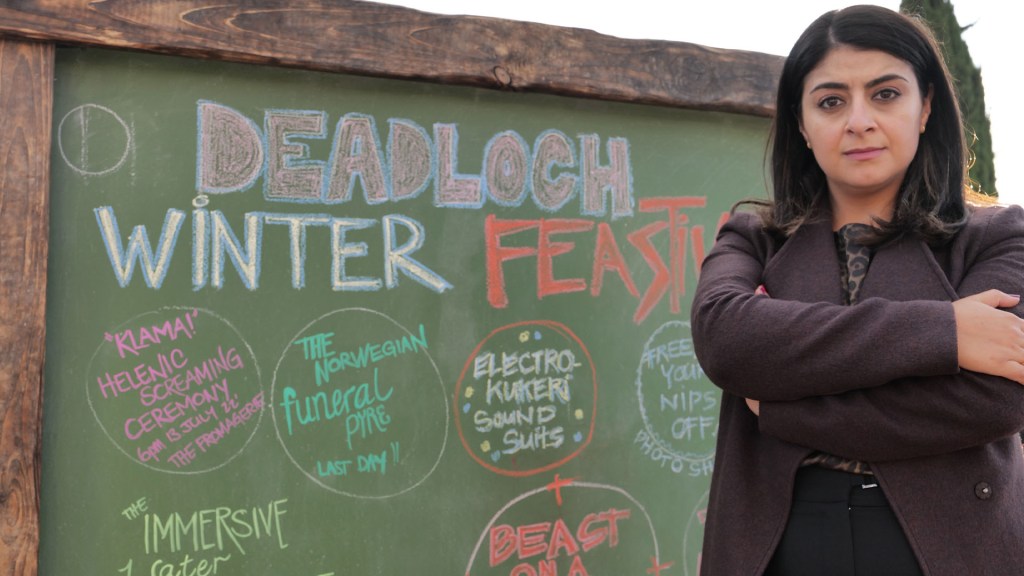
Apparently Deadloch’s original working title was Funny Broadchurch and it starts out leaning into the spoofiness but also brings in the suspense, character studies, and beautiful scenery you’d expect from a classic gritty crime show . Both Dulcie and Eddie develop a lot of depth over the course of the first season and the background characters have distinct personalities and entertaining side stories. There’s quirky junior constable Abby Matsuda (Nina Oyama) who is doing a better job of forensic investigation than her arrogant forensic pathologist fiancé, Mayor Aleyna Rahme (Susie Yussef) who is frantically trying to keep the annual Winter Festival going despite the spate of murders and a stress-aggravated bout of IBS, plus a whole host of local lesbians, hilarious take-no-shit Indigenous high schoolers, and a crime-writing priest.
At one point Eddie tells Dulcie, “You can’t see the forest for the lesbians,” and they’re not wrong. It’s one of the only murder mysteries I’ve seen where there are so many lesbians you actually don’t have to get stressed about the queer folks being accused of murder. In fact, it would be almost impossible for some of them to NOT get accused of murder. The jokes also clearly come from inside the house. They talk about the Moon Cup (basically the Diva Cup), Eddie dresses like she fell down in an outdoor outfitter store, and the menfolk of the town hold a Take Back the Night march with pitchforks and tiki torches to protest for their safety. The Winter Festival, which frankly sounds like one of the circles of Dante’s queer hell to me, includes “endurance art” where everyone just stands still together and “no one knows when it ends”, a 4-hour long art film called “Poseidon’s Uterus”, and the one that absolutely killed me: an a cappella performance of the Divinyls “I Touch Myself,” sung by the local women’s choir, complete with barbershop “doo-doo-doo-doos”.
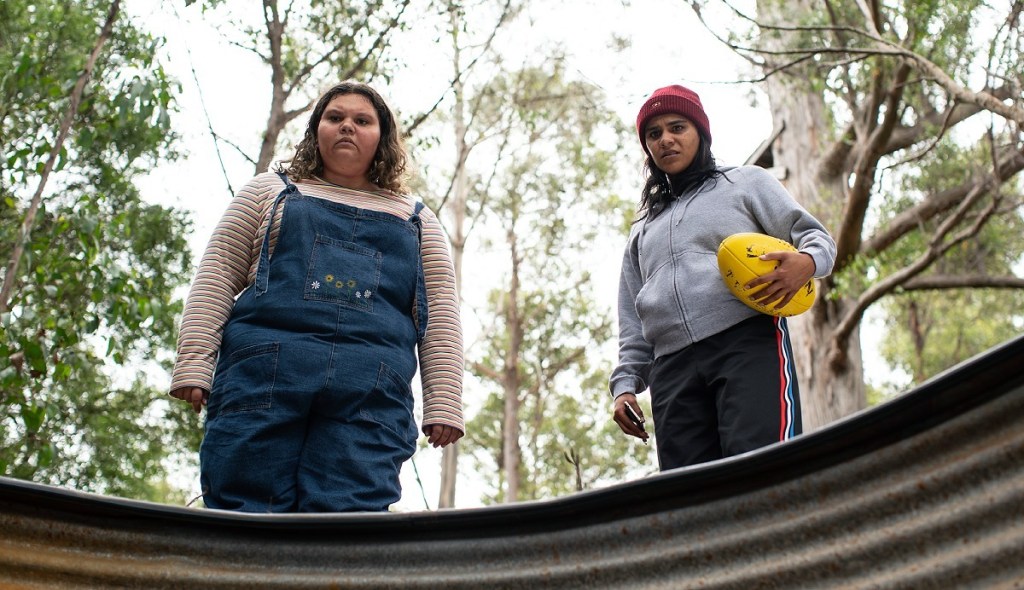
The number of queer and Indigenous folks in town also means that there is both a lot of anti-cop sentiment and a different take on the standard tension between newcomers and long-time residents, on top of the underlying Land Back conflict between the Palawa community and white settlers. One of the first establishing shots in the show is of garbage cans with ACAB spray painted on them, which sets up an appropriately complex frame for the main character cops out of the gate. The show begins with two Indigenous teenage girls walking down a dark road to a deserted beach with exactly the kind of foreboding cinematography and musical score you’d expect at the beginning of a crime series. It plays with the expectation, so tragically grounded in the real-life experiences of missing and murdered Indigenous women, that one of them will be the victim. Instead, Tammy Hampson (Leonie Whyman) trips over the dead naked guy, drops her cigarette, and sets his pubic hair on fire. It really sets the tone for the show.
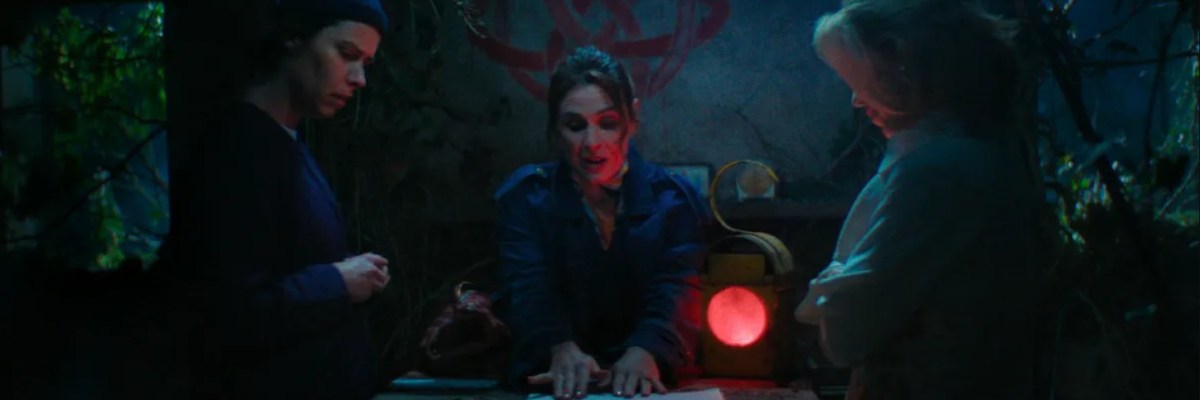
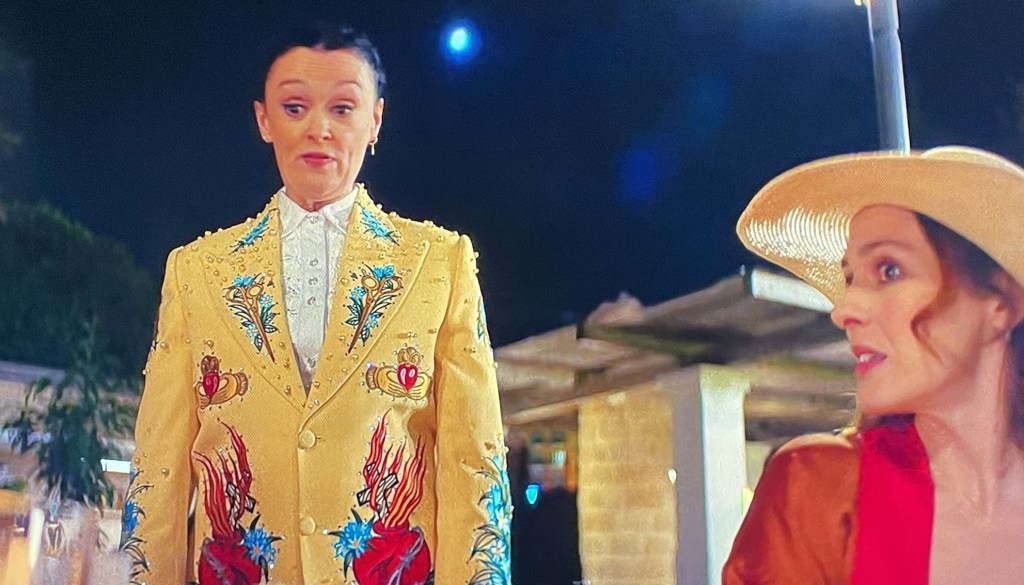
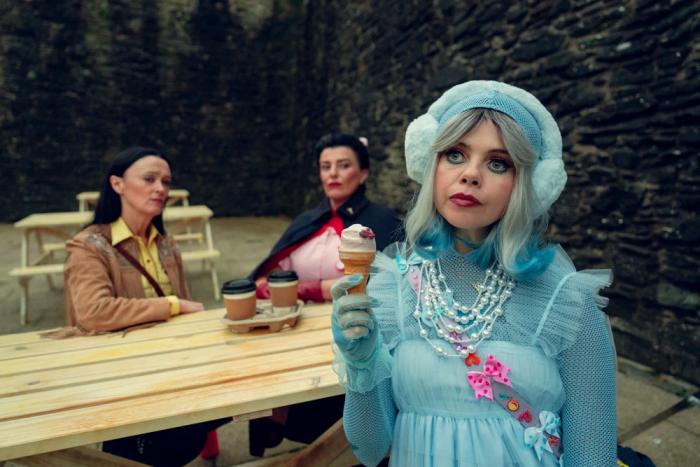
How to Get to Heaven From Belfast is a delightful show with a similar sense of humor to Derry Girls infused into a clever twisty mystery that kept me guessing. Three women who have been friends since high school find out that the fourth from their group has died and they head from Belfast to the small Irish town of Knockdara in County Donegal for her funeral. Things get increasingly convoluted and madcap from there in the best possible way, with a brilliant mix of mystery, comedy of errors, girls road trip, and a dash of folk horror. Lisa McGee has cited Scooby Doo and Murder, She Wrote among the influences for the show, and it includes a car chase in a family minivan down twisty Irish country roads, a Dolly Parton-loving hitwoman in a fancy yellow rhinestone suit, and Saoirse Monica Jackson from Derry Girls as a technicolor punk psychopath. The intro credits art is great and it’s worth watching them as you go through the show to catch all of the surreal things that suddenly make sense once you’ve seen the episode they were in. I don’t want to give too much away but suffice it to say that these three women are not really the right people for the job but it’s very entertaining watching them damn well do it anyway.
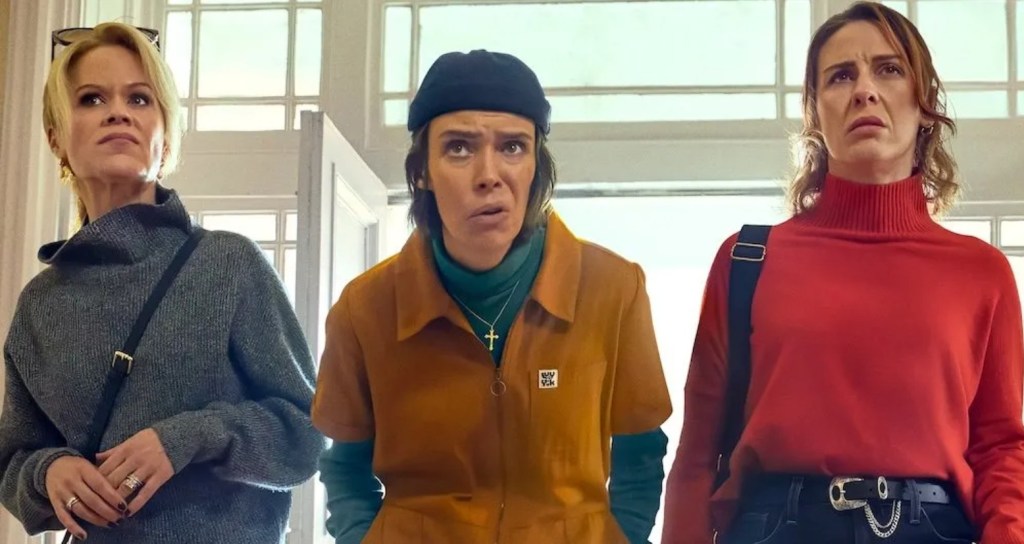
Saoirse (Roisin Gallagher) is the screenwriter for a successful BAFTA-winning crime drama called Murder Code, Robyn (Sinéad Keenan) is a stay-at-home mom with three kids, and Dara (Caoilfhionn Dunne) is a closeted lesbian who is taking care of her theoretically ailing mother. All three of them are telling themselves they should be happy but they’re all frustrated or missing something in their lives. Maybe it’s the common middle age state of having arrived somewhere and realized what it’s actually like there isn’t all it was cracked up to be, but for the three of them it’s clearly tied to the shared trauma they went through with Greta (Natasha O’Keefe from Peaky Blinders) when they were younger. There are lovely scenes scattered throughout the show where they stop and watch their younger selves superimposed next to them, which I felt really captured the painful mix of fond memory, nostalgia, and loss that accompanies revisiting your past. The voiceover describes them as being “separate but inseparable” and through all of the chaotic things that happen as they search for the truth about Greta and all the ways they mess up, they still have each other’s backs.
The trio spend a great deal of the time trying to investigate without involving the cops, which is complicated by Saoirse having a very romance-novel style entanglement with the local Guard, Liam Kells (Darragh Hand from Heartstopper), who happens to be quite a good detective. He also doubles as road assistance for his uncle’s mechanic shop and is what I believe would be described in the show as a “massive ride”. He listens attentively to Saoirse, shares his feelings with her, and takes her seriously despite all her bananas behaviour. Even so, when it comes down to a question of him or her friends, Saoirse punctures his police car’s tire with a pen and leaves him in the dust. This is not a show where women throw their female friends over for a guy they’ve just met, no matter how lovely he is. Robyn ditches her husband with the kids while all this is happening as well, so not for a guy they’ve married either.
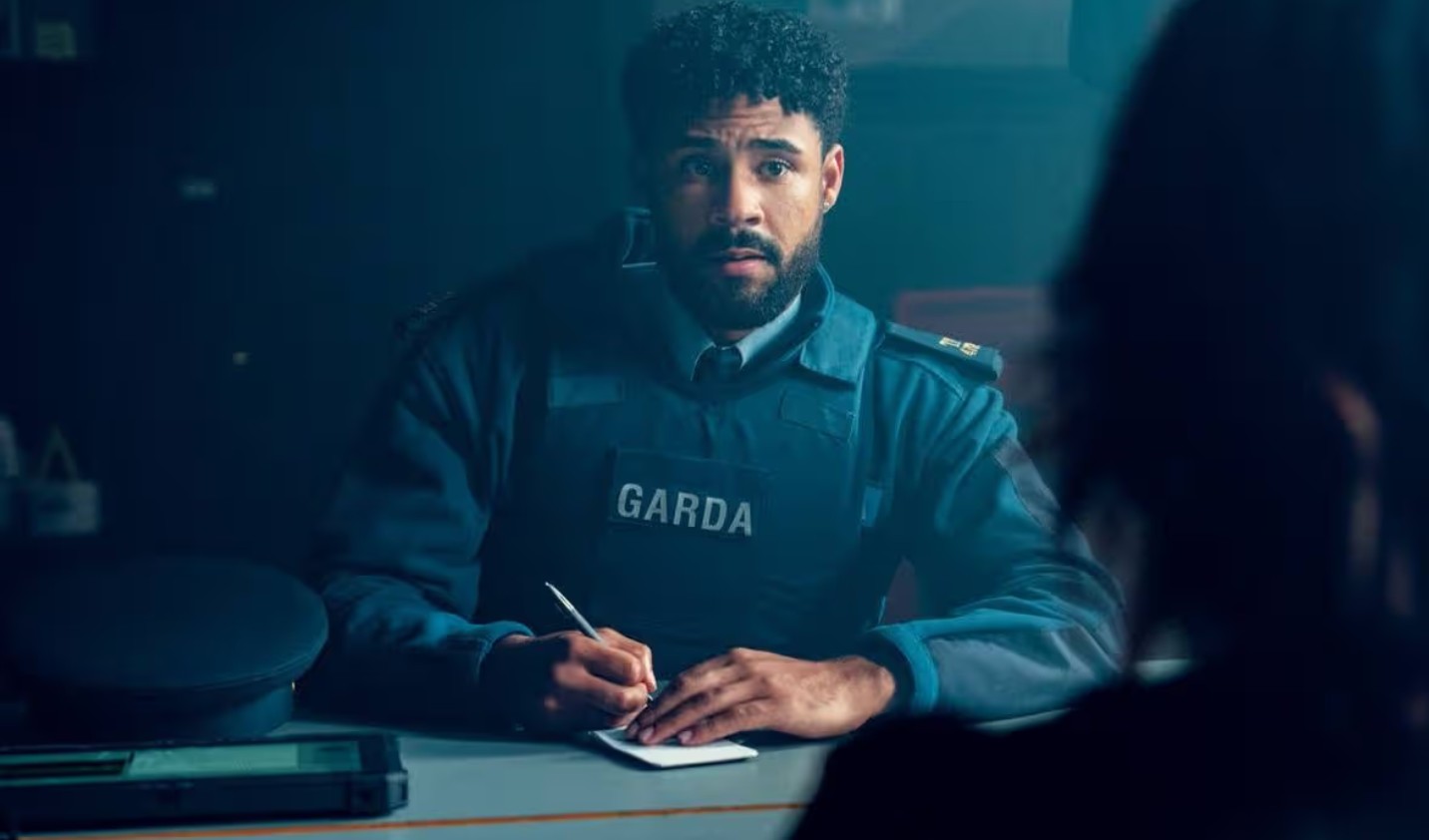

Deadloch and How to Get to Heaven From Belfast take different approaches to the challenge of having cops as protagonists but both make them people from groups police often discriminate against. The question of cops has its own complexity in Ireland, as does being Black and a Guard in the Republic of Ireland, and Liam is both very direct about his own ambivalence and willing to question the system in the service of justice. He tells Saoirse that watching Columbo with his grandfather made him want to become a Guard so he could catch the bad guys, but “some of us are the bad guys.” The focus of the show is on what women and girls have to do to escape violence and recover from trauma though, and young Saoirse sums it up very clearly when she argues to her friends that no one will believe them if they go to the cops when the only options for a woman who needs an abortion or she’ll die are to have the baby and die or have an abortion and go to prison.
Both shows embed serious issues and the identities of the characters at the heart of the story in a way that infuses everything from the murders to the jokes. It’s easy to forget what it feels like when a show is truly rooted in a specific experience because it’s sadly uncommon, but you recognize it when you see it. I wrote about it in A League of Their Own: Queer Eyes, Full Hearts, Can’t Lose on Abbi Jacobson and Will Graham’s wonderful queer tv remake, I’ve loved finding it in shows like Sterlin Harjo and Taika Waititi’s comedy series Reservation Dogs (FX), and Graham Roland’s thriller series Dark Winds (AMC) based on Tony Hillerman’s Leaphorn and Chee novels. Now I can add Deadloch and How to Get to Heaven From Belfast to that list.
~~~
Alex MacFadyen is looking forward to Season 2 of Deadloch which releases on March 20th!
Categories: Screen




 The Cultural Gutter
Adding Deadloch to the watch list right now and completely agree on Belfast.
LikeLiked by 1 person