“During the past 20 years I know that my compulsion to understand death was much greater than just an obsession. My dreams have dictated my mission. But now it is time to witness the final moment, to discover the circle that forever repeats itself. The end of the beginning or the beginning of the end? I’ll leave that decision to you.’
–Francis B. Gröss
Faces of Death (1978) is one of those films that exists in whispers and hearsay. I saw it as a child on the cusp of entering my teenage years in the early ’90s. A friend at school told me he had acquired a tape from his older brother that had “real people dying on it”. A few of us gathered around in his basement one Saturday afternoon and popped in the unmarked VHS. It was a copy of a copy, so the picture was fuzzy and distorted; adjusting the tracking didn’t help much.
We silently watched as Francis B. Gröss (which in retrospect is a silly name) solemnly took us on a journey through death, both animal and human. The sequence where the viewer is forced to watch a prisoner being executed by the electric chair stuck with me the most, as he convulsed erratically in his seat, the blood pouring from his eyes. It scared the shit out of me. As an adult, I know now that much of the footage in the film is fake, including the execution, but it felt so real to me as a child.
What I didn’t know was that the advent of the internet would show me the real horrors. Gruesome murders, Ogrish, and Rotten.com displayed an atrocity exhibition that I was simultaneously disgusted and fascinated by. The internet at the time was the Wild West, a free-for-all of unfiltered content.
While modern internet and social media are somewhat controlled, that is only thanks to “content monitors”, people who review posts before they are put out for questionable content. Although some of it can be done with automated systems, much of it is done by humans. People who have to see horrible things all day for work. In an interview, one such person discussed how it affected her mental health:
“I experienced some really traumatizing moments. You feel very alone and solitary when doing that work; very hopeless and insecure. The quality of my sleep was really damaged. I would see the images in my nightmares. I would wake up more tired than when I went to sleep.”
So, what is the point of Faces of Death in our modern times? These death compilations only had an audience because it was essentially the only place to see these clips, and with the internet at our fingertips, we are only a click away from watching death. Sometimes people don’t even get to choose to watch it; multiple times this year, Americans have had shooting deaths shoved into their feeds unannounced, with multiple angles making the rounds.
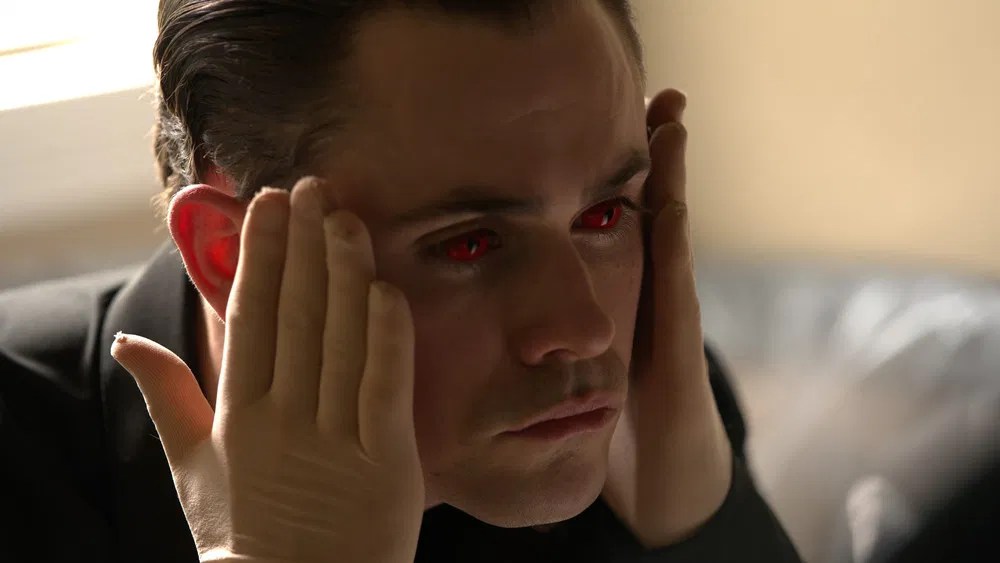
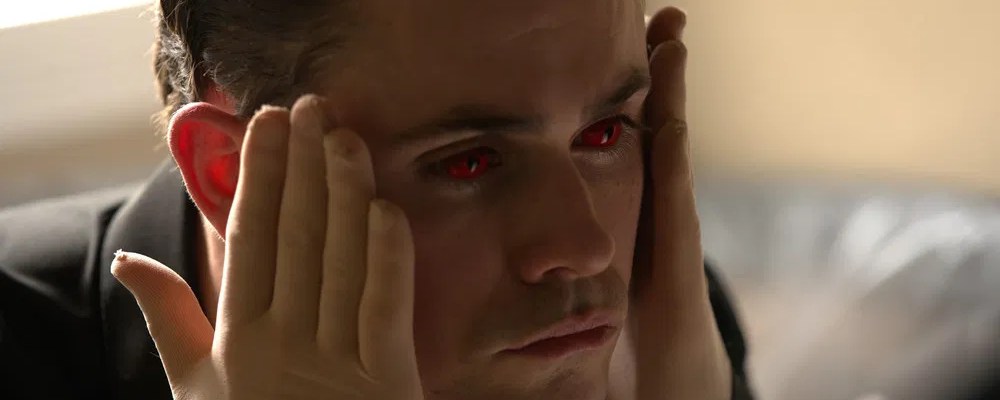
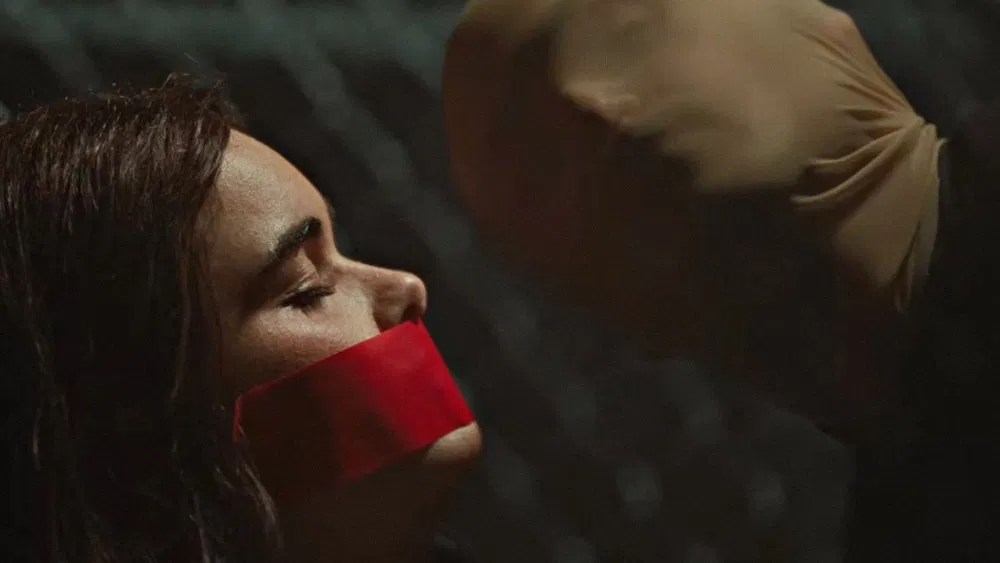
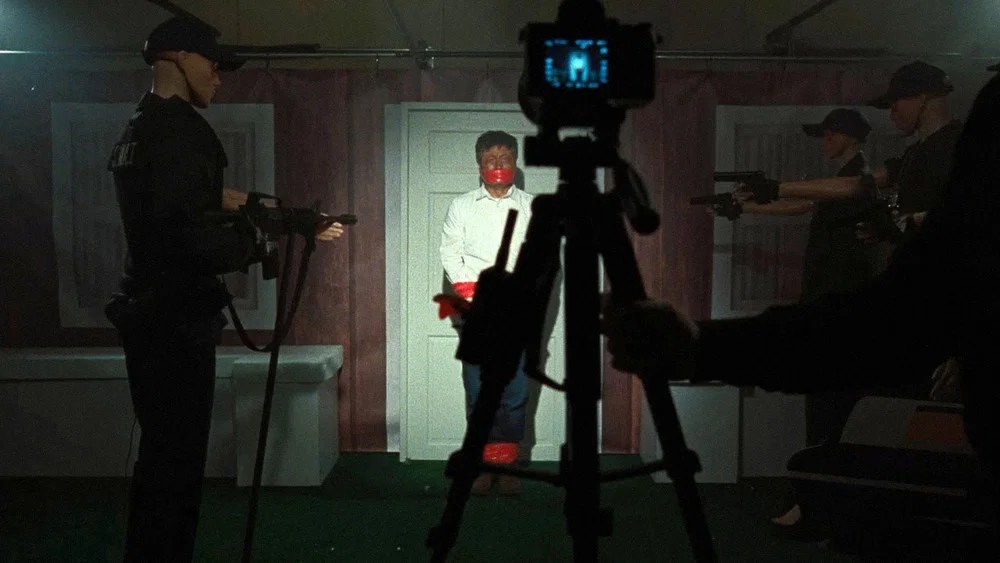
This new take on the material isn’t a reboot at all; it’s more a meta story about Faces of Death, its legacy, and how that type of entertainment has evolved. The story follows Margot (Barbie Ferreira), a moderator for Kino, a short-form video app that is similar to TikTok. She happens upon content remaking scenes from Faces of Death, but it looks way too real. The rest of the film explores her investigation into the influencer behind the account (played by Dacre Montgomery), who might be making actual snuff videos for public consumption.
Thematically, the narrative has a lot to say about social media and the way the algorithm is geared towards sensationalism and exploitation, but the killer’s motives don’t feel fleshed out enough. This isn’t a mystery story, and the slasher’s identity is out in the open early, but it executes the cat-and-mouse interplay well. The depiction of online spaces feels grounded, and it’s amusing to watch Margot type her question into Google, followed by “Reddit” to get some help. There is a real-life subreddit called /r/MorbidReality that showcases disturbing material (and people dying), so it’s not far off from reality.
Unfortunately, after a fairly intriguing first half, the film goes off the rails in the third act. The social commentary gets pushed aside for the kills, which isn’t entirely bad, considering it’s a horror film, but once they stop using Faces of Death as inspiration, it feels banal. The killer doesn’t even have a physical copy of the film, despite his “obsession”, he uses a pirated webrip or clips from YouTube.
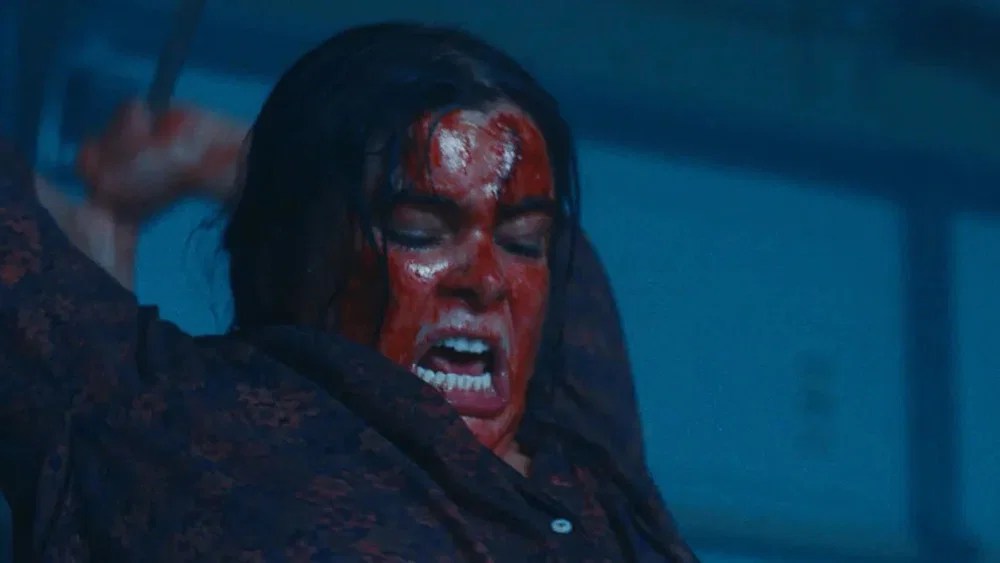
That may be the point: death has become trivialized even further and treated as unreal because it’s being watched on a screen, and this film is self-aware that people are probably thinking the same thing about the very idea of making a Faces of Death movie in 2026. Pointing out that it’s trite doesn’t absolve the idea from being trite.
Overall, this new take on snuff films is more interesting on paper than in execution, but it still has inspired moments that elevate it above previous attempts to revive a decades-old franchise.
~~~
Michelle Kisner is a film critic, freelance writer, and advocate for physical media.