
As always at this time of year – festival season – but especially this year for personal reasons, I’ve been thinking a lot about the way I’ve become used to consuming art and specifically film. A large amount of my movie-watching takes place at film festivals, which means I’m watching a ton of movies in a short period of time out of necessity. And while I never organize my screening schedule with this in mind (at least not on purpose), one thing that’s always fascinating to me as a festival attendee is the way that seemingly unrelated films intersect with one another.
That’s why it’s always interesting when a TIFF day kind of naturally falls into a theme. The fourth day of TIFF, for example, was broadly about children, and while I started off the day with a light and fairly breezy selection with Louise Bagnall’s sweet animated feature Julián, the latter two – Beth D’Araujo’s Josephine and Yeon Sang-ho’s Paradise Lost – took a decidedly darker turn while exploring some very difficult questions around parenting. But I strongly think that I was lucky enough to see not one, but two very different breakout debuts from two very young stars today.
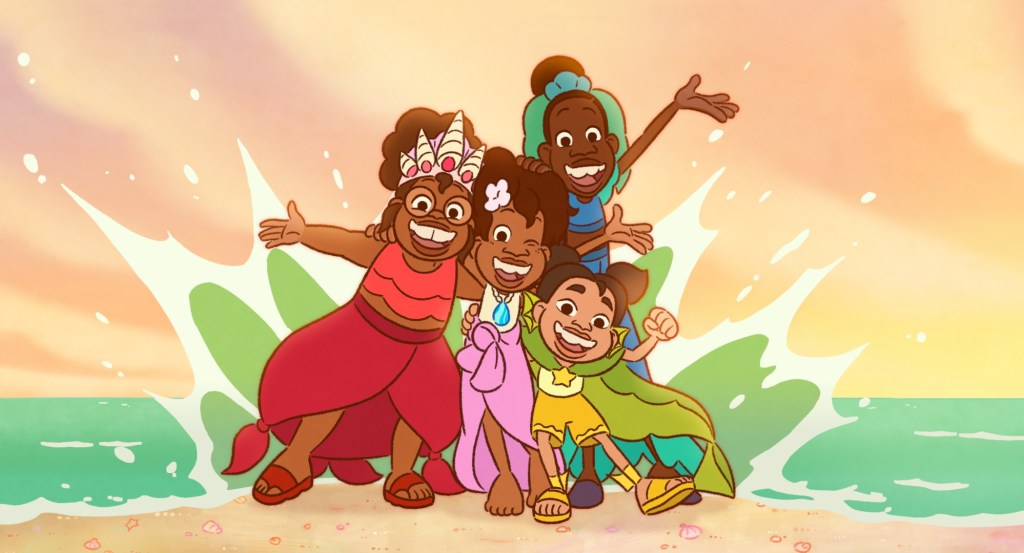
With Julián, Irish filmmaker Louise Bagnall presented a truly international animated feature with her adaptation of Jessica Love’s children’s book ‘Julian Wants To Be a Mermaid’ that’s a co-production of Irish studio Cartoon Saloon and Canadian studio GURU. Julián tells the story of an art and glitter-obsessed young Dominican boy who fights against the tide to live his dream of being a mermaid, and attend the annual Coney Island Mermaid Parade. It’s a beautifully-animated story about finding one’s identity through family and community, and being true to oneself in the face of those that don’t understand your uniqueness. Knyght Darius Jack as the voice of Julián and Milcania Diaz-Rojas as the voice of his abuela are so perfectly aligned and feel so natural, and I think Jack especially is someone to watch in the future as he expands his voice work and beyond.
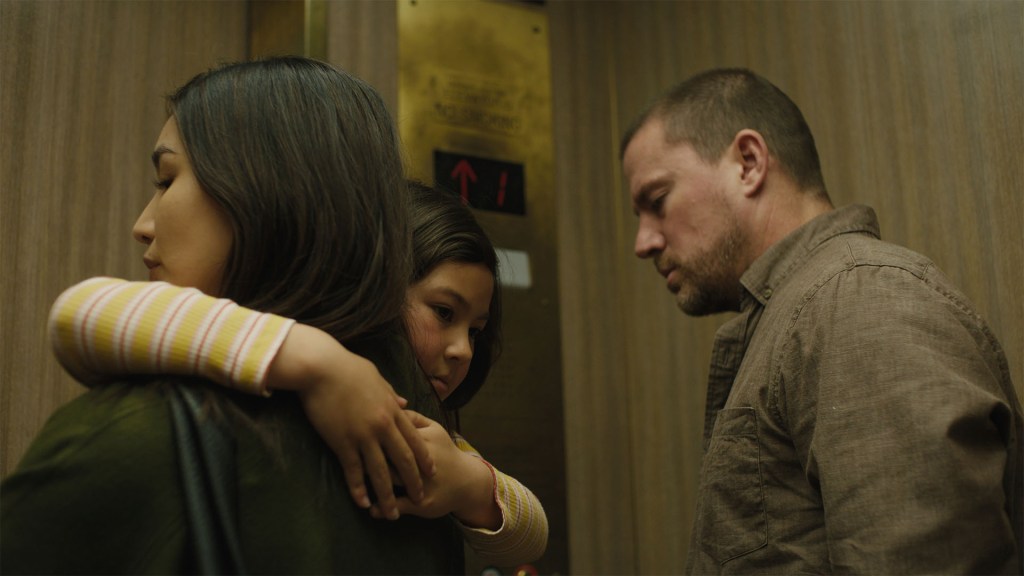
Beth D’Araujo follows up her deeply disturbing Soft & Quiet (2022) with the equally affecting family drama/thriller Josephine, starring Channing Tatum, Gemma Chan, and introducing its young breakout star Mason Reeves. For an actor that was 10 years old at the time of the production of Josephine, Reeves provides an unforgettable, powerful, and difficult performance far beyond her years and I think has every chance to end up on an awards stage one day.
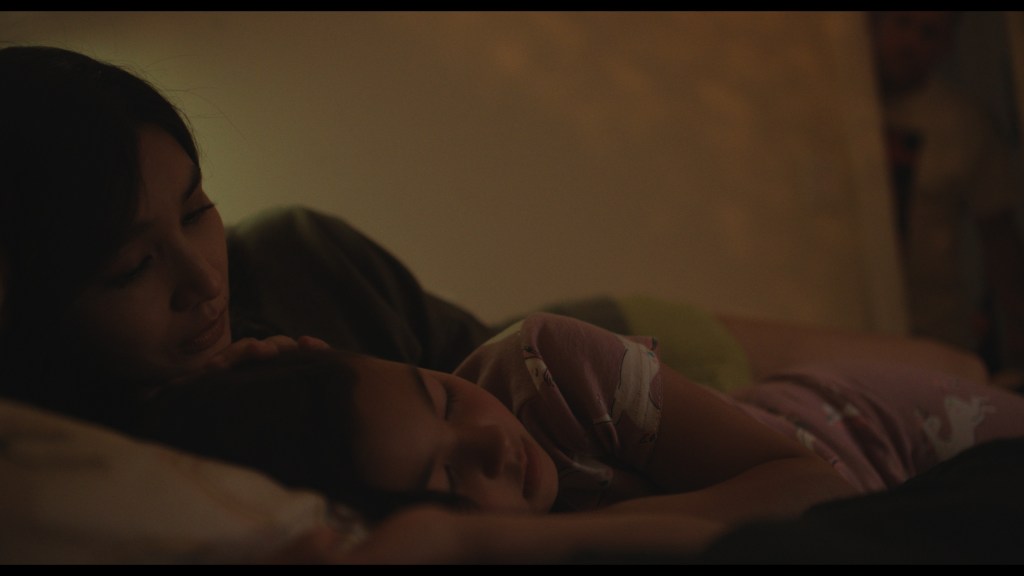
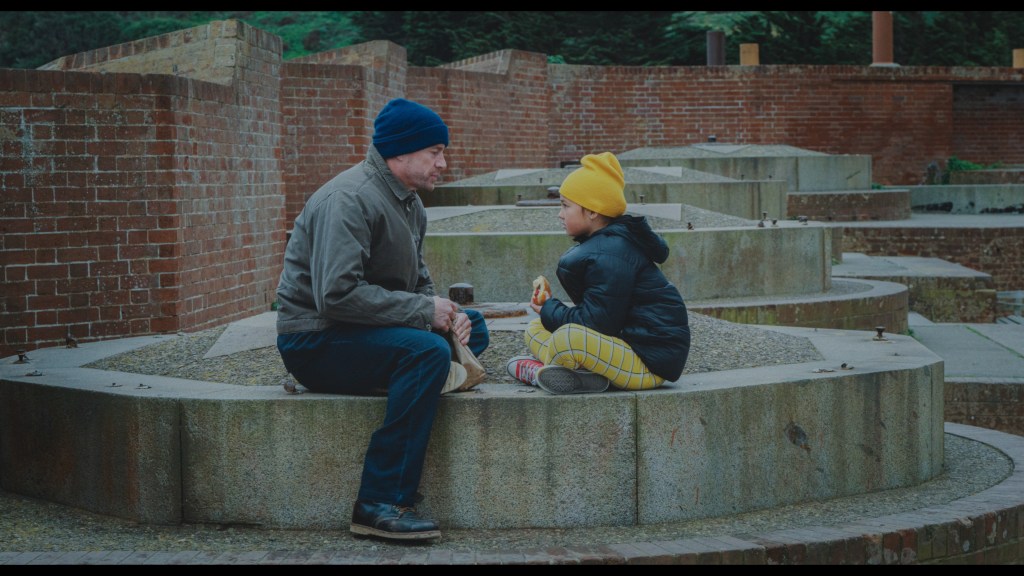
As a parent, we want certain things for our kids – a feeling of safety and to be able to protect them from the many dangers of this world being paramount. I think that, like I thought about on Day Two of TIFF with Trash Mountain, we inherently want some level of control over our lives, no matter what we have to do to exert it. All of that gets thrown out the window early on in Josephine as Reeves’ titular character and her father witness a violent sexual assault in a park, then have to go through the process and many difficult conversations that sprout from the assailant being brought to justice. We see this primarily through Josephine’s still-developing perspective, still learning what sex and consent and rape even are, and watching as both she and her parents navigate these difficult lessons and decisions.
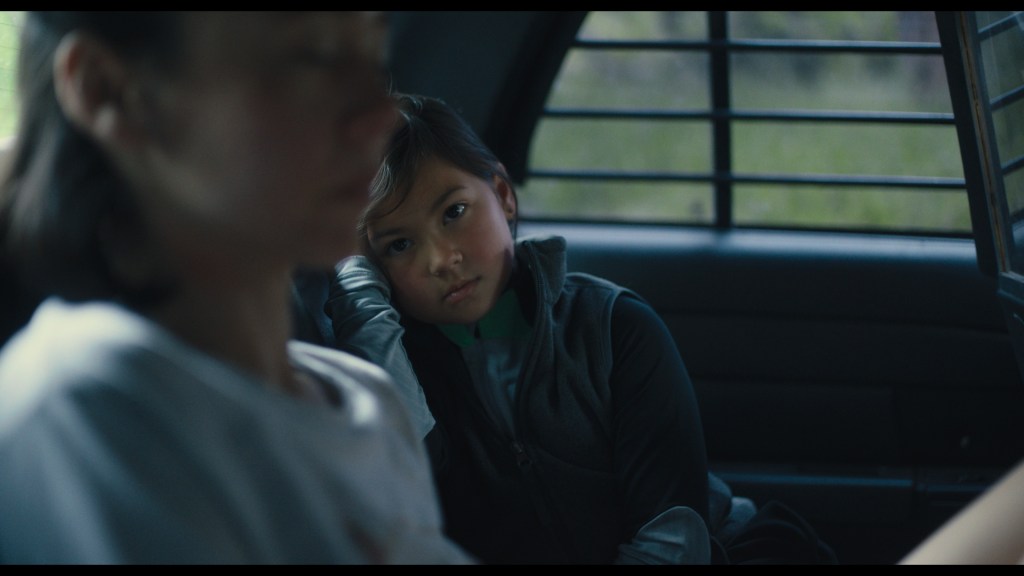
D’Araujo draws from her own personal experience as a child and expands it to discuss the way that hypervigilance in the wake of traumatic events can often be a self-defeating way of addressing PTSD. And the way that she and cinematographer (who also worked with D’Araujo on Soft & Quiet) Greta Zozula present that PTSD, with the imagined image of the attacker from the original incident appearing to Josephine in various places and ultimately influencing her behaviour in response, takes the film into horror territory more than once feels vital and important.
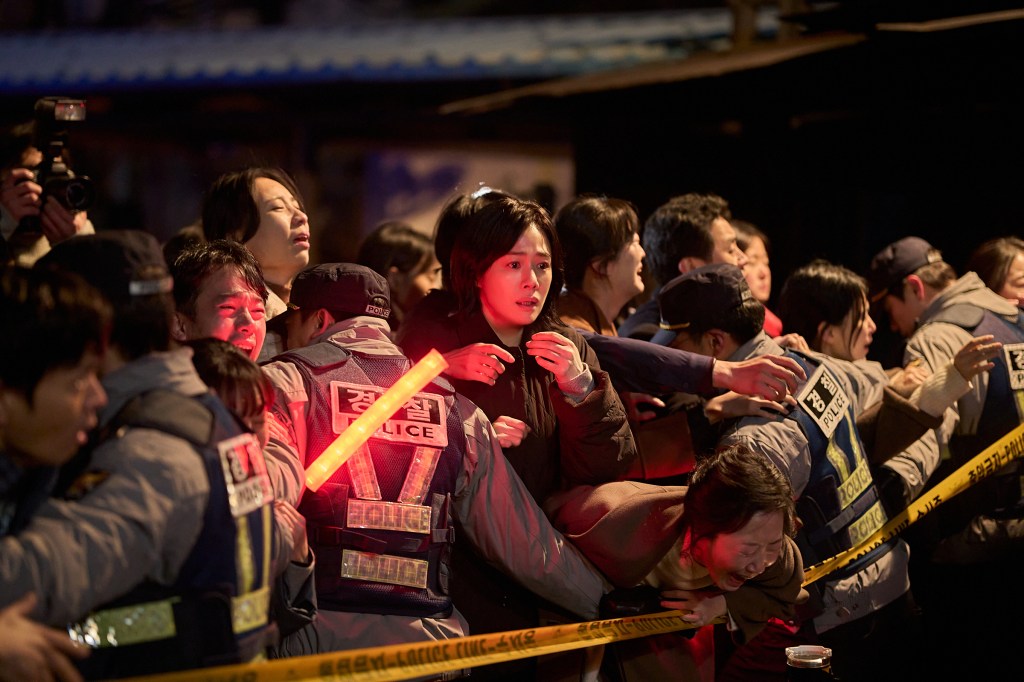
I sometimes wonder how Yeon Sang-ho finds the time to sleep and eat with the number of projects he always seems to have on the go. Fresh on the heels of the Netflix series Human Vapor and the zombie film Colony, the prolific writer/director returned to TIFF with his brand new techno-thriller Paradise Lost. Continuing my afternoon theme of difficult explorations of parenting, Sang-ho tells the story of Ryu, a single mother grappling with the loss of her son, who disappeared along with several other students on a field trip. It’s later confirmed that the majority of the students were murdered by a serial killer, but Ryu’s son’s body was never found. An AI company provides the grieving families with a set of augmented reality glasses trained on the children’s voices and from data provided by the parents and which create lifelike, non-aging avatars of the lost children that come to be called Children of Paradise. Ryu gets hooked on the tech and when revelations about her real son come to light, she is forced to choose between the idealized version in “Paradise” and the one in the real world.
I’m sure there are more substantive explorations of the theme of losing a child, but Sang-ho takes a Black Mirror approach here, asking ‘what if you can bring back an idealized, un-aging version of your child and keep it forever’ while also asking what you’d do to protect that version of your child if it were to be threated by the very real, monstrous version of that same child.
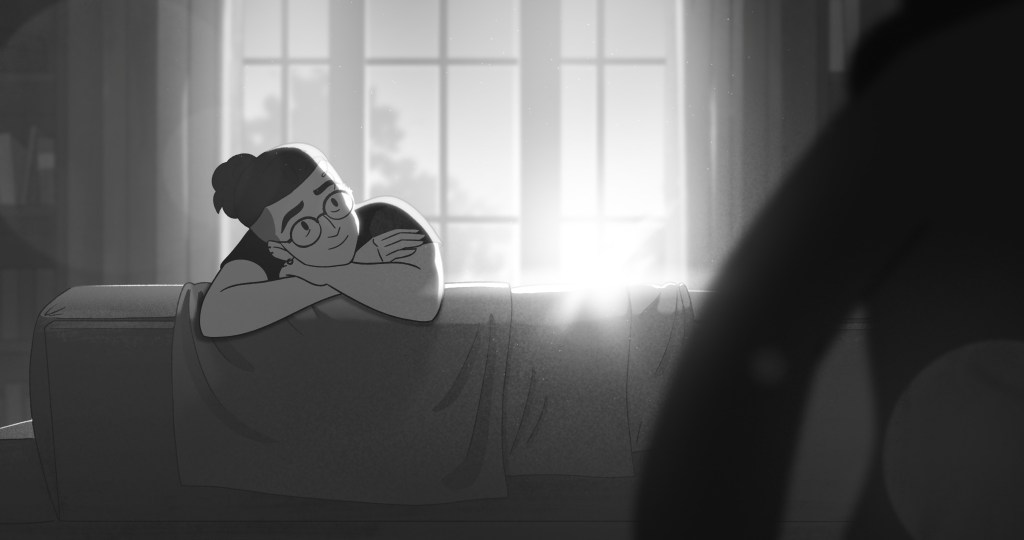
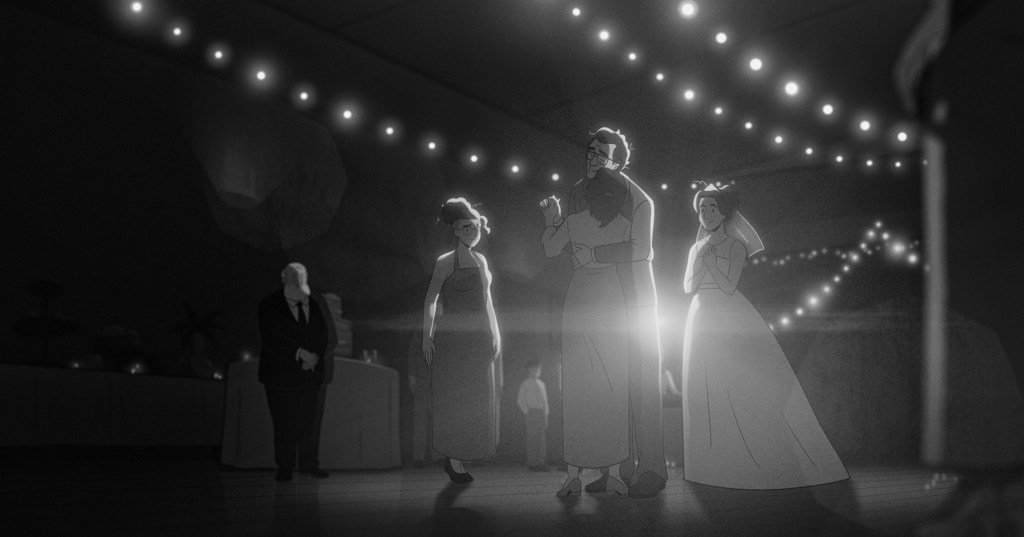
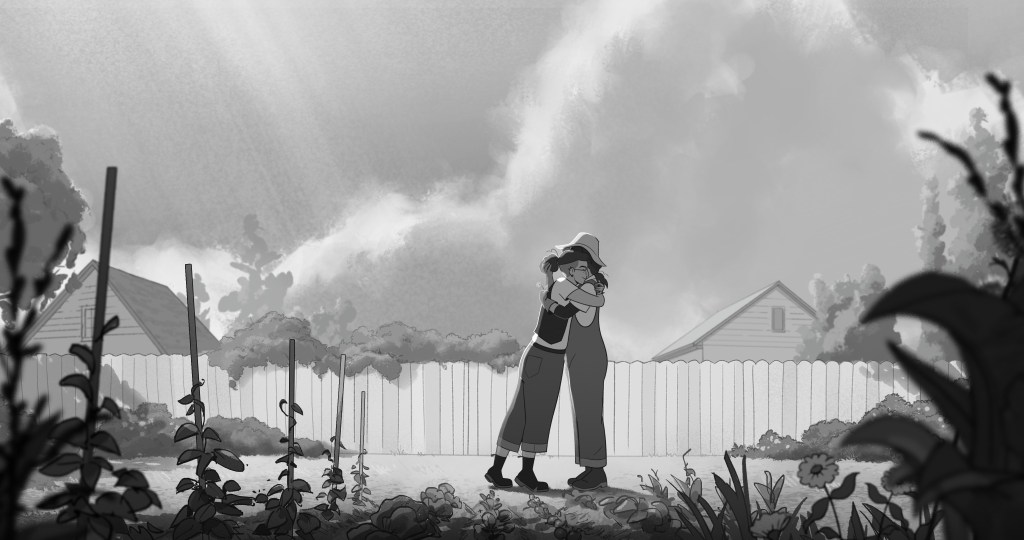
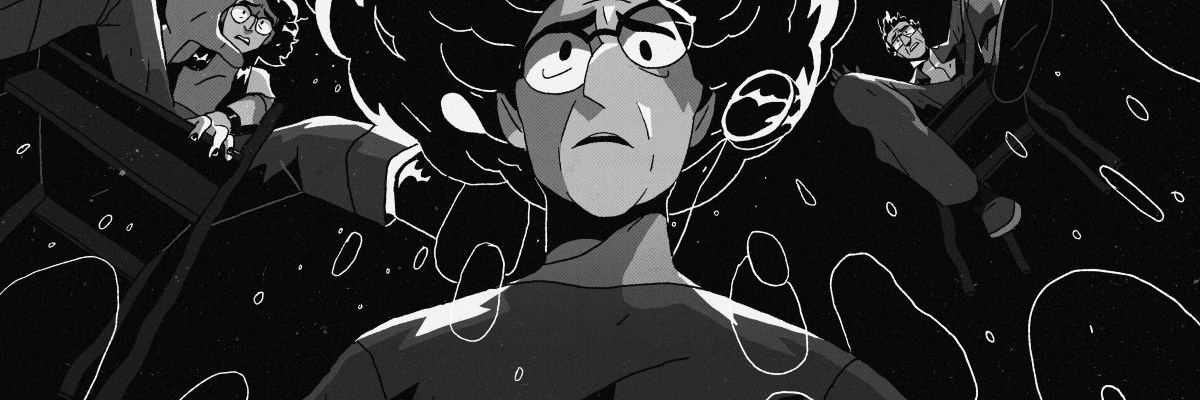
And that was just Day Four. This year’s Festival has been so saturated with disparate experiences that, on Day Six, the subject of complicated parental relationships came up again as I was fortunate to watch Leah Nelson’s Tangles, one of the best animated features I’ve seen in years and which adapts Sarah Leavitt’s graphic novel and memoir Tangles: A Story about Alzheimer’s, My Mother and Me. It’s the heart-rending story of a young woman whose life and dreams are upended when her mother is diagnosed with Alzheimer’s disease and the way that Nelson renders the mental decline of a woman who is so fiercely intelligent and protective of her daughter completely broke me in the most beautiful way. It has the visual quality of the late Marjane Satrapi’s Persepolis (2007) and is sumptuous to watch even as its subject matter, though hilarious at times, will bring you right along with Sarah’s tumultuous and deeply sad journey through her mother’s illness.
It’s been a long week already, friends, but I’m amazed and privileged to have already seen many of my favourite movies of the year and, in some cases, some of the best films I’ve ever seen. From heart-pounding action with a deeply emotional core in Bassam Tariq’s Your Mother Your Mother Your Mother to an exploration of how our possessions can be more meaningful than we expect in Kris Rey’s Trash Mountain to Faustian bargains that would put Obsession to shame in Paulo Strippoli’s The Spiral and one of the best and most compelling horror films I’ve seen in a while with Banjong Pisanthanakun’s Inherit, TIFF has been serving a veritable buffet of emotions this year and scenes and experiences that I’ll remember for a long time. The Festival has a motto of “changing the way we see the world through film” and while that’s true, I think it’s also got a remarkable capacity to change the way we see each other and ourselves as well. Right now, I might be seeing myself simply as a tired person who needs to wake up at 8am for a day of screenings that will stretch past midnight, but as the screens reflect the thoughts and visions of the directors that fill them, I’m looking forward to seeing myself – and maybe you – reflected on there too.
Sachin Hingoo is currently more cinema than man, and has been approached by A24 to hand over the rights to his mortal vessel.
Categories: Screen




 The Cultural Gutter
2 replies »