This year my search for seasonal spooky film fare took me to the opposite side of the globe with a few fantastic recent movies out of New Zealand, Mārama and The Rule of Jenny Pen. They led me down a rabbit hole of horror from down under, so I’ve rounded out the list with several older films that were new to me and are either creepy as heck, good ridiculous gory fun, or both, presented to you here largely in order of serious to silly.
Mārama (New Zealand, 2025)
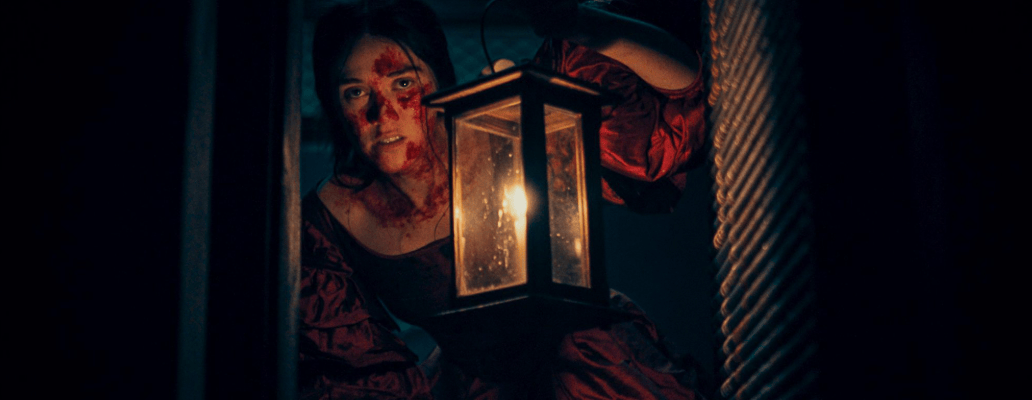
Mārama is a wonderfully intense and carefully crafted revisioning of the Victorian Gothic narrative by Māori director Taratoa Stappard. It has all the elements of a traditional gothic story, complete with a young, orphaned woman who receives a cryptic letter inviting her to an isolated manor with the promise of revealing hidden family secrets, but in this case the young woman is Māori and the house is haunted by the history of colonial violence concealed beneath a veneer of aristocratic admiration for her culture.
Set in 1859, the film follows Mary Stevens (Ariāna Osborne) as she travels from Aotearoa to Yorkshire in response to a letter promising information about her parents, only to find the letter writer dead and the estate’s master, Nathaniel Cole (Toby Stephens), disturbingly eager to have her stay on as governess. It quickly becomes clear that Cole is obsessed with Māori culture and Hawsker Manor is a museum of appropriated items, with taonga displayed like trophies and a full-sized wharenui uprooted from its home and transplanted into the middle of his English garden.
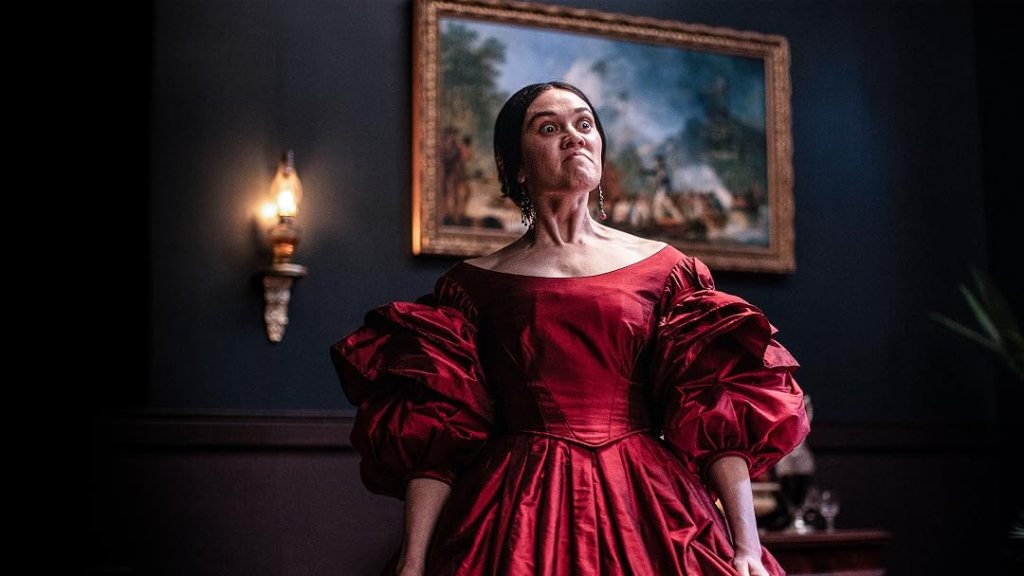
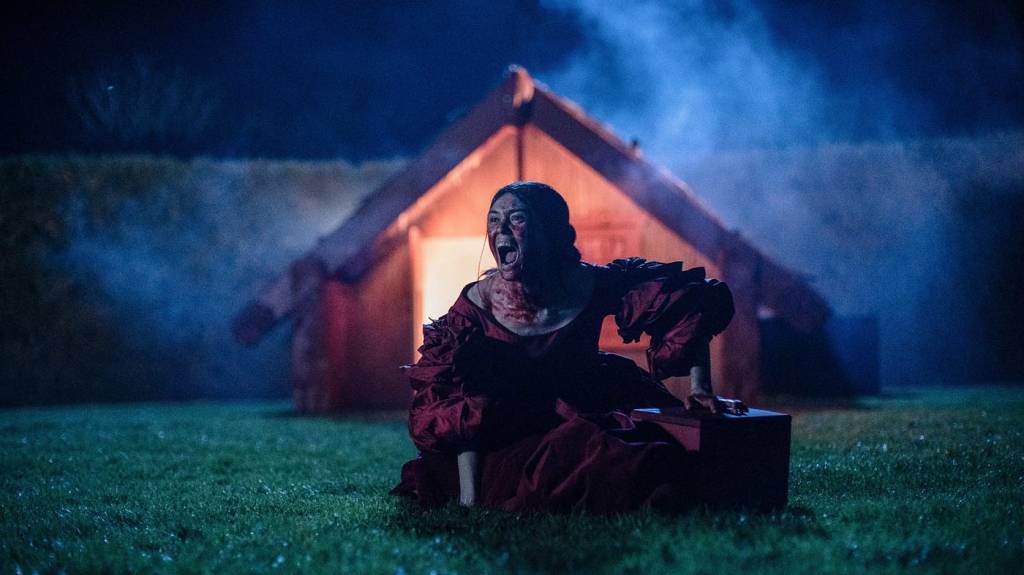
Cole presents his interest as admiration but everything about it is possessive and gives the sense that he is studying Mary and casting her in his own fantasy about her people. The cinematography turns candlelit corridors, mirrors, and Victorian finery into a system of confinement, with the beautiful but restrictive crimson gown she wears to the final ball making her simultaneously a spectacle and a threat. Osborne plays Mary with a restrained intensity that conveys her constant awareness of the danger she’s in under the surface before exploding into defiance in a violent, bloody climax that refuses to allow colonial horror to remain tastefully concealed or consigned to the past.
Relic (Australia, 2020)
Natalie Erika James’s Relic uses the haunted house as a metaphor for dementia, creating a disorienting physical space that presents the horror of someone losing their mind as architecture. When Edna (Robyn Nevin) disappears from her old home in a remote area, her daughter Kay (Emily Mortimer) and granddaughter Sam (Bella Heathcote) come looking for her. What they find is an empty house full of random notes, ranging from mundane everyday reminders to unsettling instructions like “Don’t follow it.” Edna returns with the explanation that she “supposes she went out” but soon her behaviour becomes increasingly more confused and erratic, as does the rapidly spreading decay in the house.
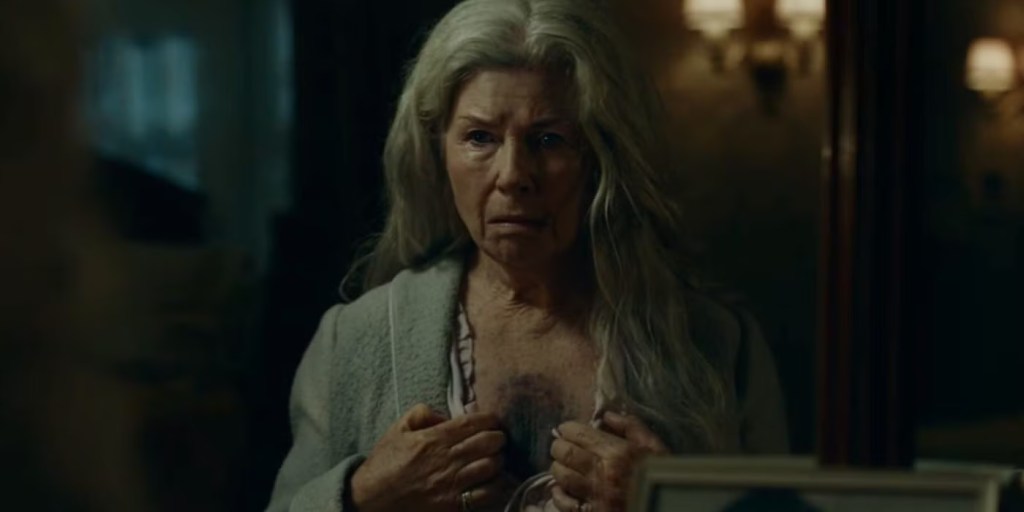
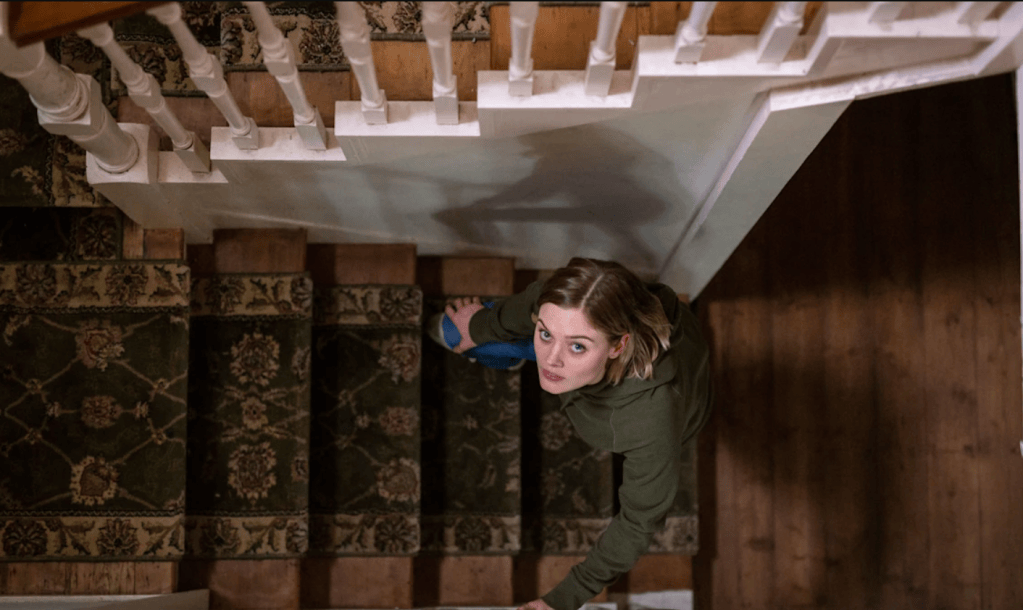
It’s the kind of slow burn movie that pulls a skin of horror over the top of an intense psychological drama, blurring the lines between what is real and imaginary. The performances by the three women bring incredible depth to the fear of mental decline and the heartbreaking mix of love, guilt, and resentment that surround caring for someone with dementia. And then there is the house. The horrible, unnatural black mold that spreads everywhere and the shifting, narrowing passages that trap all three of them inside. A home that was familiar and safe becomes hostile, alien and unpredictable, turning against them just like Edna’s own mind is against herself. The impossible interior spaces and disconcerting cinematography remind me of Robert Wise’s classic 1963 film adaptation of Shirley Jackson’s The Haunting of Hill House, where the house is shot at disconcerting angles with crooked walls that pull viewers into the experience of questioning their own eyes.
The Rule of Jenny Pen (New Zealand, 2024)
The Rule of Jenny Pen, directed by James Ashcroft, also explores the horrors of the deterioration that comes with aging, but with a puppet. It’s an incredibly creepy, baby doll hand puppet manipulated disturbingly by John Lithgow’s sadistic care home resident, Dave Crealy, to torment Geoffrey Rush’s arrogant former judge, Stefan Mortensen. After a stroke in the courtroom leaves Stefan partially paralyzed, the lack of available space in senior care homes lands him in a way less fancy facility than the private one he was expecting. He also didn’t expect to discover that Crealy uses his puppet, Jenny Pen, to terrorize the other residents at night.
Of course, none of the caregivers believe Stefan, which is especially infuriating to him as a man who is accustomed to judging others from a position of authority. Now that he is seen as old and infirm, his testimony is discounted. He and the other residents are infantilized and it’s no accident that Crealy’s puppet is a baby, reinforcing this with his childish performances of cruelty and humiliation. The film brilliantly captures the claustrophobic setting and bleak sense of powerlessness that the residents experience, both at the helping hands of the largely well-meaning caregivers and the evil little hands of Jenny Pen, sometimes inserting themselves into the resident’s mouths.
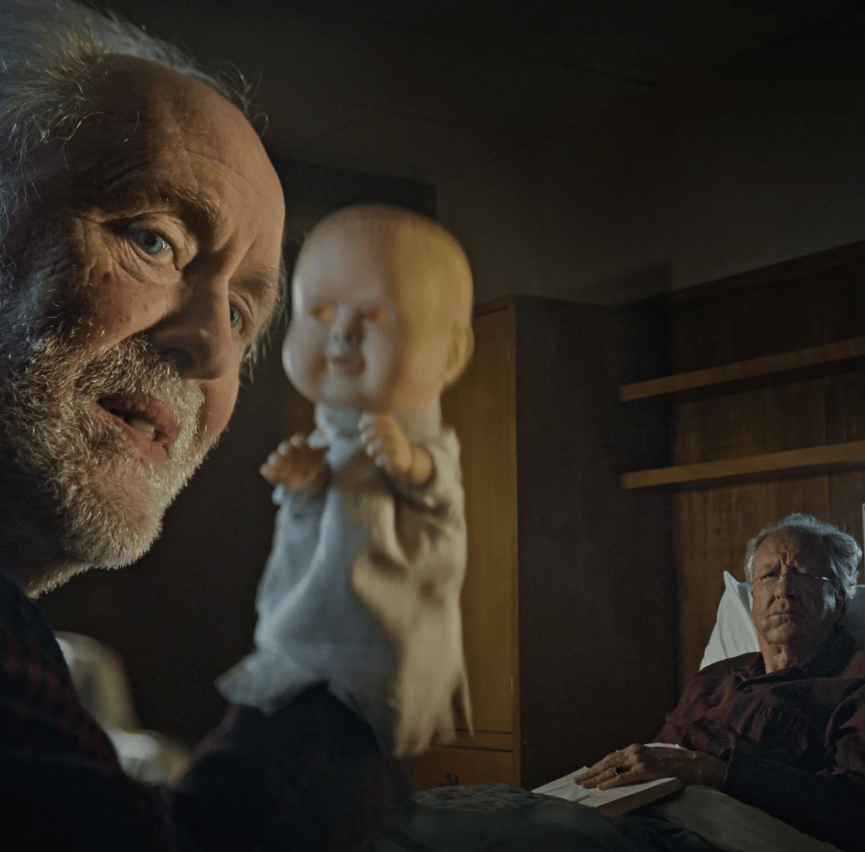
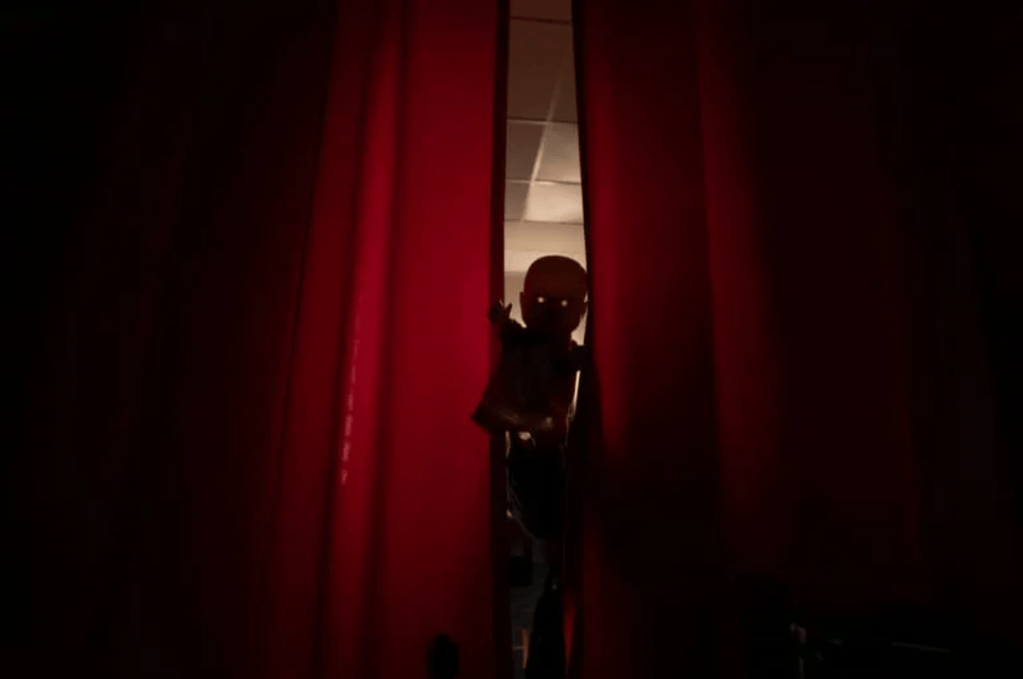
Watching Stefan unable to move to help another resident who is on fire or being told to calm down and wheeled back into his room as he thunderously protests that Crealy has assaulted him are more horrifying than the amazing creepy ass baby puppet/John Lithgow combination, which it turns out is actually pretty high up on my creepy things list, so that’s saying something. Jenny Pen is incredibly well done and manages to viscerally express the horrors of elder abuse while staying entertaining as Stefan bands together with another resident to take Crealy and his puppet down, but if you are looking for a lighter, funnier option I’d recommend Bubba Ho-Tep (2002) which stars Bruce Campbell as an aging Elvis impersonator (or actually Elvis) who teams up with Ossie Davies as John F. Kennedy (maybe) to take down a soul-sucking mummy that is feasting on seniors at the Shady Rest Retirement Home in East Texas (you can read my review of it in The Thoroughly Modern Mummy.
Talk to Me (Australia, 2022)
Talk to Me is a supernatural horror film directed by twin brothers Danny and Michael Philippou, who are know for their film spoofs on under the YouTube handle RackaRacka. It has a kind of Flatliners type concept where a group of teenagers discovers that an embalmed hand can summon spirits and briefly allow possession that resembles a drug trip. They start out doing it at parties with a 90-second time limit that they believe will keep them safe, but of course they don’t really understand the risks. Mia (Sophie Wilde) is grieving her mother’s death by drug overdose and despite the limit that theoretically prevents overindulging in the high, she gets addicted to the experience. Then her friend’s kid brother, Riley (Joe Bird), stays too long and gets stuck.
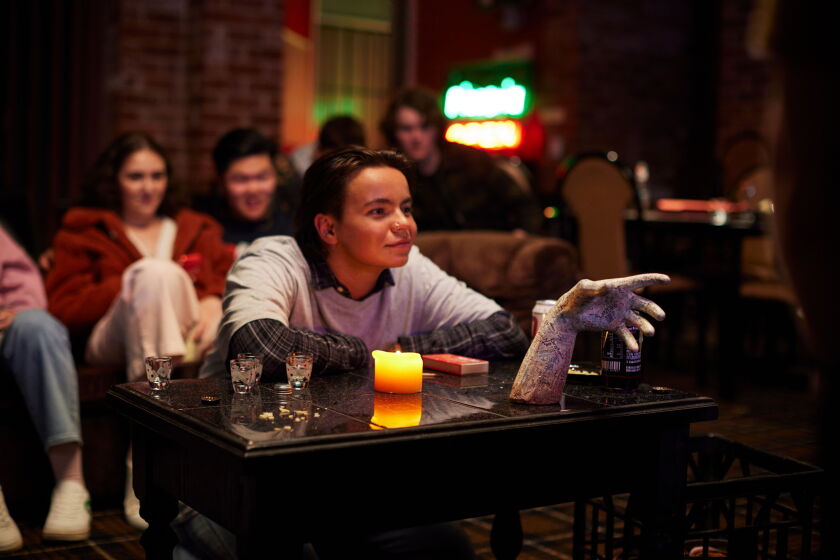
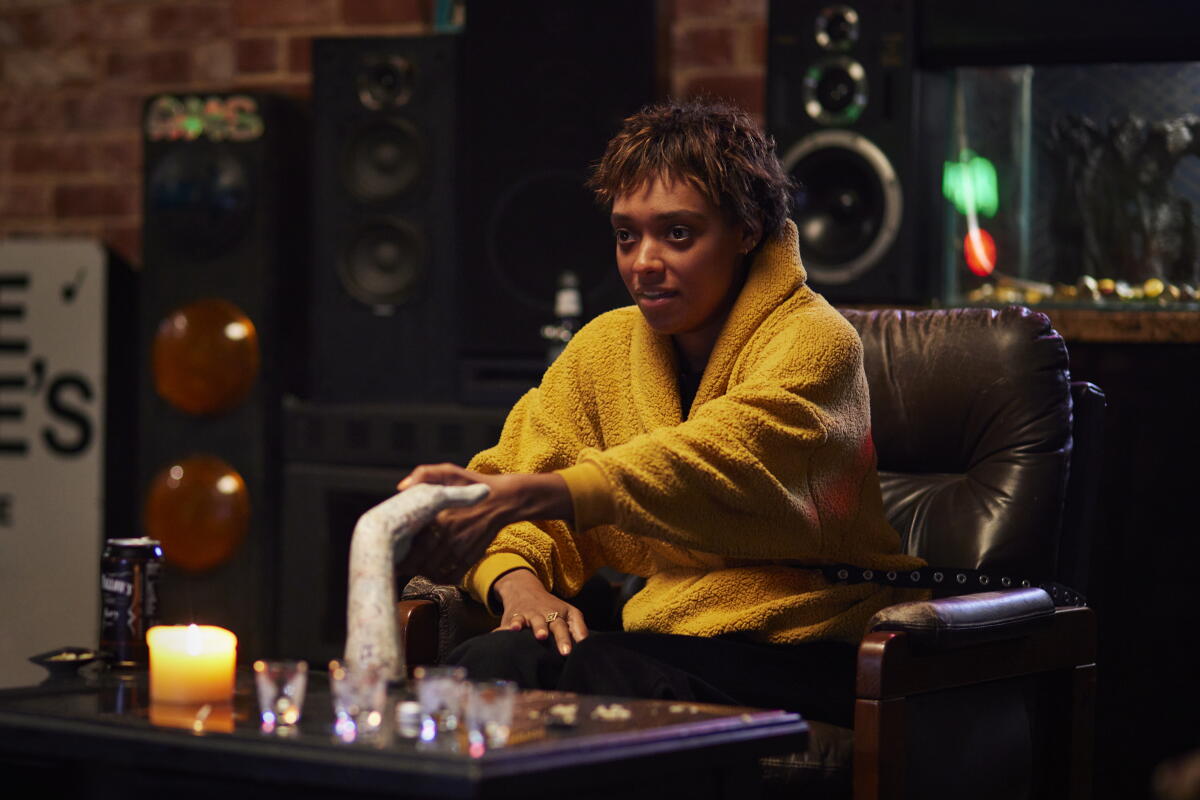
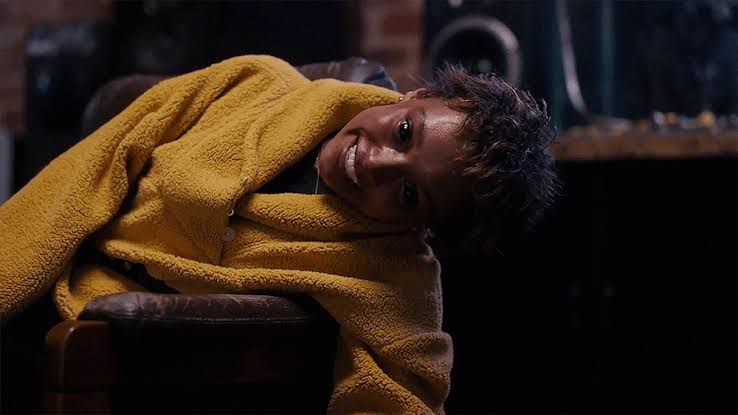
The Philippou brothers bring some of their humour into the film but mostly it’s a scary, disturbing, and extremely well-done exploration of teenage grief, peer-pressure, and addiction. I loved that the horror relied on the story, cast performances, creepy sound design, and cinematography much more than jump scares and special effects (although I do also enjoy those things!). Be warned that the violence is brutal, realistic, unpredictable, and that Riley’s possession is particularly hard to watch since he is quite young.
Housebound (New Zealand, 2014)
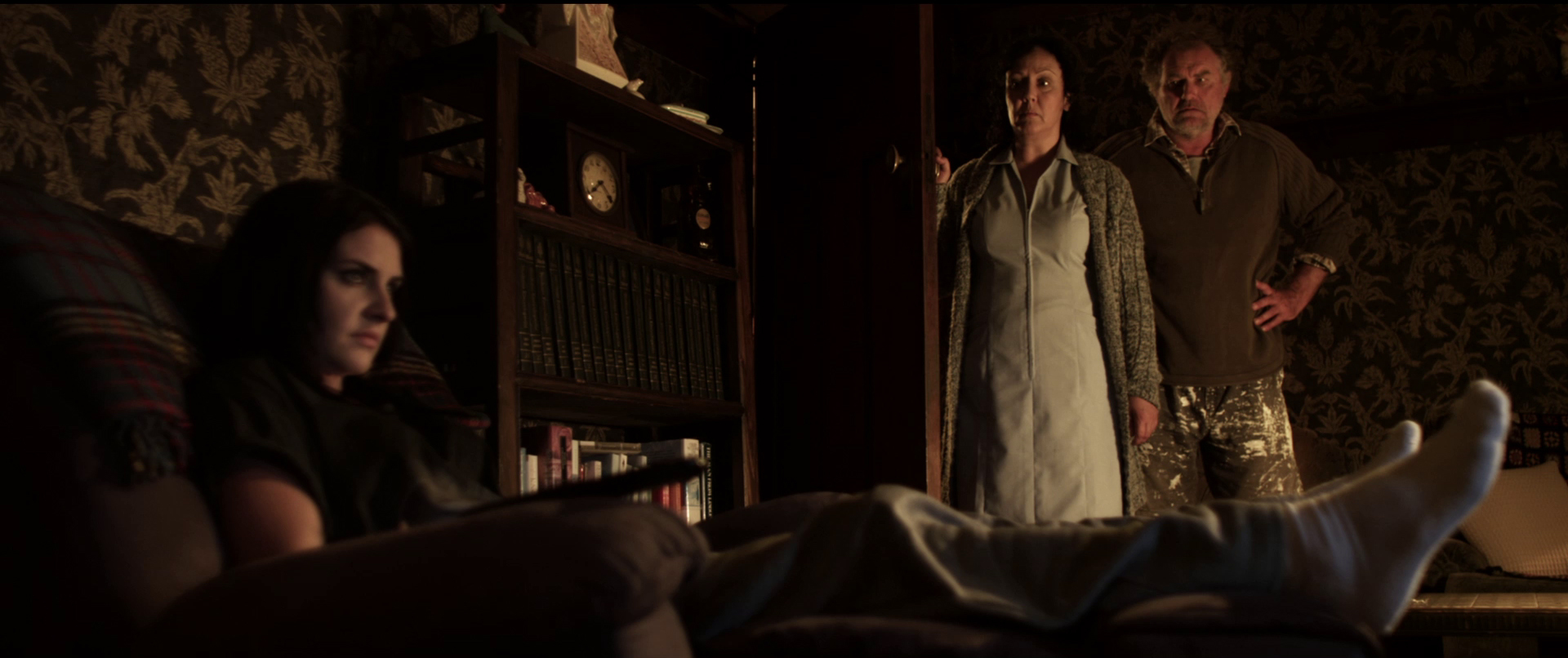
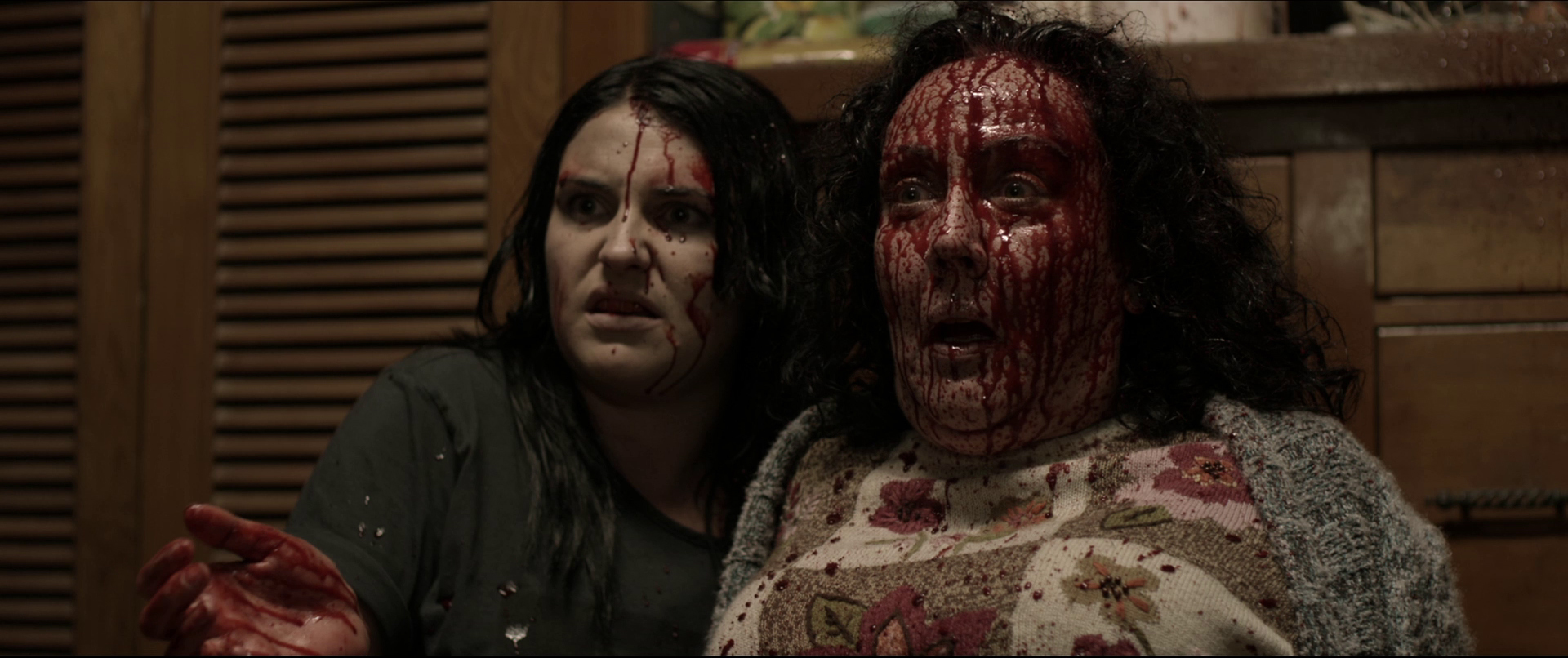
Gerard Johnstone’s Housebound brings madcap comedy into the horror of mental illness and mother-daughter relationships, with clever plot twists and some good gory scares. It opens with a comically failed ATM robbery that lands hostile delinquent Kylie (Morgana O’Reilly) back in her childhood home with her extremely talkative mother (Rima Te Wiata) and an ankle monitor. With nothing else to do but listen, both to her mother and the walls, she starts to think maybe the ghost stories she’s been told all her life might be true. It’s another house with unexpected, concealed rooms and creepy happenings in the walls, but here the creepiness is paired with entertaining weirdos bonding through their ghost hunting investigations as it morphs through horror, comedy, ghost story, murder mystery, and back again.
Black Sheep (New Zealand, 2006)
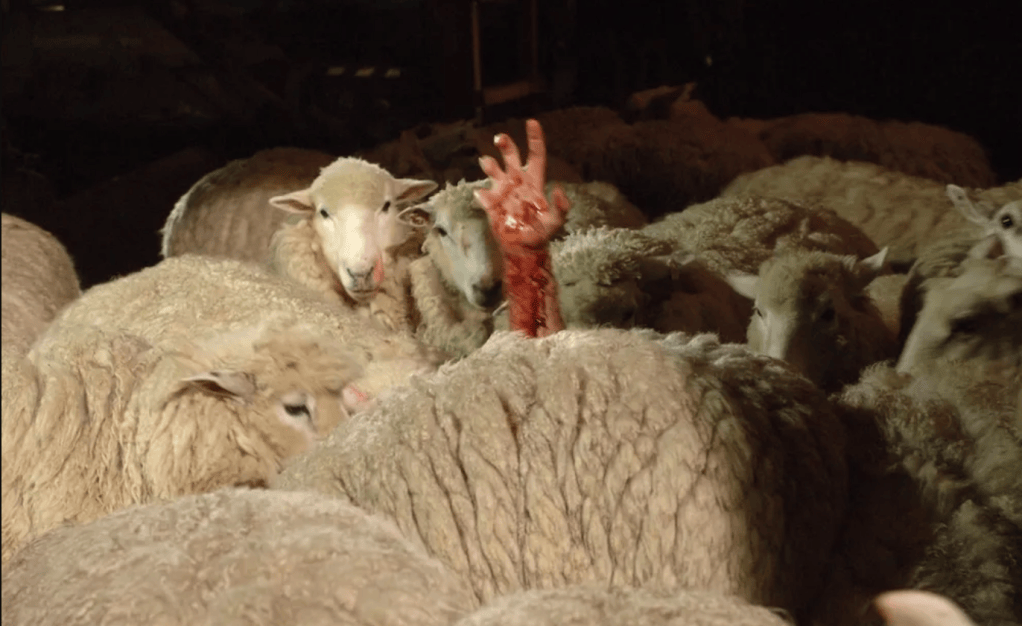
Jonathan King’s Black Sheep is a gleefully gory and ridiculous creature feature with were-sheep. Henry’s family owns a farm in New Zealand but Henry is phobic about sheep. He goes home to sell his share to his ambitious mad science agri-tech bro brother Angus, and wouldn’t you know, that’s when a genetic experiment is accidentally unleashed, turning their flock into bloodthirsty predators and transforming any humans they bite into monstrous, woolly creatures. The practical effects are pretty great and the combo of humor and gore will appeal to fans of such things as sheep pulling out people’s intestines at a garden party. The sheep actually stay threatening to the end, and their arrival at Angus’ corporate presentation about what a wonderful improvement his genetically altered livestock are is both extremely gory and very fitting.

Deathgasm (New Zealand, 2015)
Jason Lei Howden’s Deathgasm is a movie about a high school misfit metal band who raise a demon then save the world from a demonic apocalypse and it is exactly the simple, joyful, low budget splatterfest you would expect it to be. Teenage metalhead Brodie and his misfit bandmates discover an ancient evil piece of music know as the Black Hymn, and naturally, they play it. Just as their parents would expect from the devil’s heavy metal music, it raises a demonic force that possesses the townsfolk and the band has to save the day with janky improvised weapons and the power of extremely loud music.
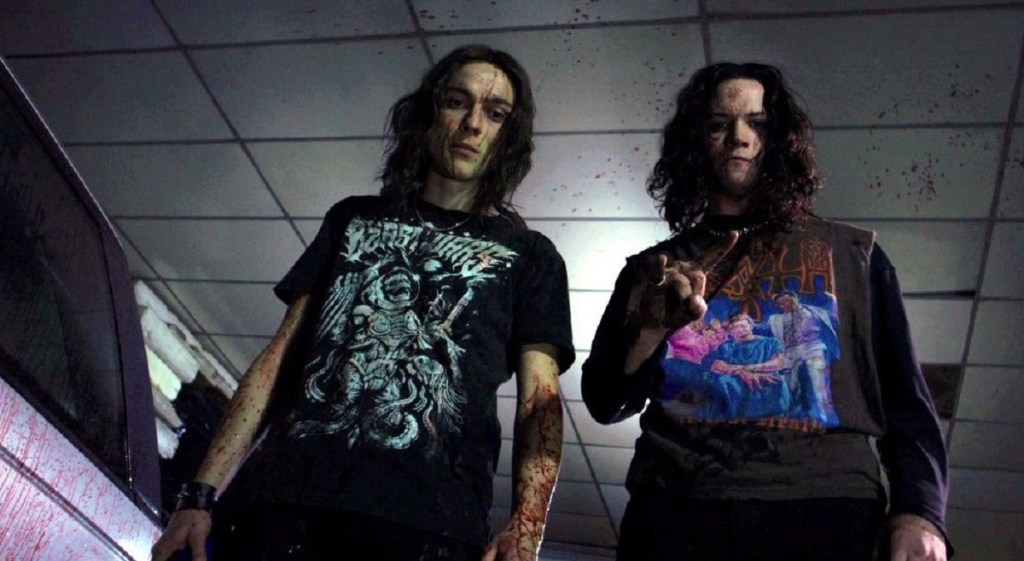
Is it gory and a bit cartoonishly repetitive? Hell, yes. Is it profound or complex? Nope. But the deep affection this film has for heavy metal culture and this group of lovable misfits makes it a fun, silly, bloody romp.
Hopefully the films on this list will bring you some entertainment and/or nightmares in this spookiest of seasons!
For more on The Rule Of Jenny Pen, see Sachin’s pieces here and here. And the Gutter’s own Carol wrote a bit about Mārama here and here.
~~~
Alex MacFadyen believes he could resist the pull of creepy baby puppets, embalmed hands, and weird looking sheep, but the ancient evil music might be too tempting…