

Once again, I am scheduled to post at the Gutter shortly before the Hindu/Jain/Buddhist festival for snake deities, Naga Panchami (August 17 this year), so once again I simply must bring another Hindi snake film to the table.
If you are new to Hindi snake films*…welcome, it is a wild and wonderful world that tends to follow certain conventions. Divine figures come to earth and can shape-shift between human and snake forms, and their presence and powers help resolve the plot, bring justice, and restore order. They might take action that relatively harmless humans don’t like or don’t understand, but that’s usually because of past wrongs that the snakes are avenging. And, because popular Hindi cinema tends to integrate musical sequences into films, snakes are often great dancers with shimmering costumes and jewelry that would make Liz Taylor’s Cleopatra respect their game. Snake films as a whole and songs in particular enable the women performers to shine (they tend to be the much stronger dancers in films made before about 2000) and to play cunning and trickster roles briefly when the snake needs to imitate a “good” character in order to carry out some plot.
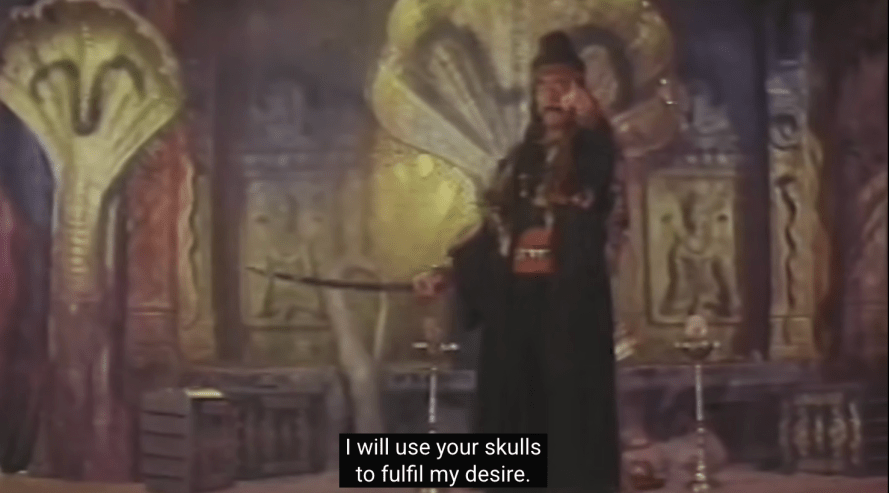
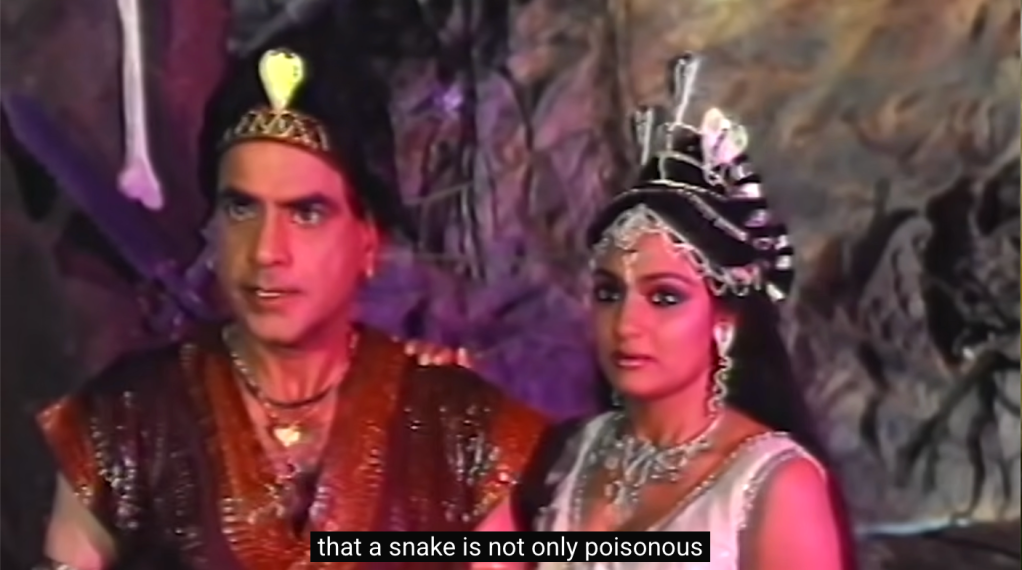
Sheshnaag (King of the Serpents, 1990) is a tale of two good snakes, a very evil villain, and various people who get mixed up in their conflict. The story opens with a lore drop about lunar eclipses and treasures hidden in a temple to a snake god. Our two snake heroes, Bhanu (Madhavi) and Pritam (Jeetendra, previously seen on the Gutter as a spy and as a snake, frankly an A+ resume if ever there was one), can reveal a glittering treasure under the floor of the temple. This is a quick scene, but remember it for later.

Then we meet a scowling man (Aghori, played by Danny Denzongpa, an actor with an A+ resume also seen on the Gutter as a ninja and an Agatha Christie antagonist) stomping around his liar featuring spooky music, candles sitting in skulls and a lot of red lighting. He greets a large statue of a deity and says, “Today you either bless me or will see me sacrifice my life,” indicating a shocking and I suspect inauspicious lack of humility. He slices his finger on his trident and drips his blood on to a fire, asking the god for power over the snakes we met in the previous scene.
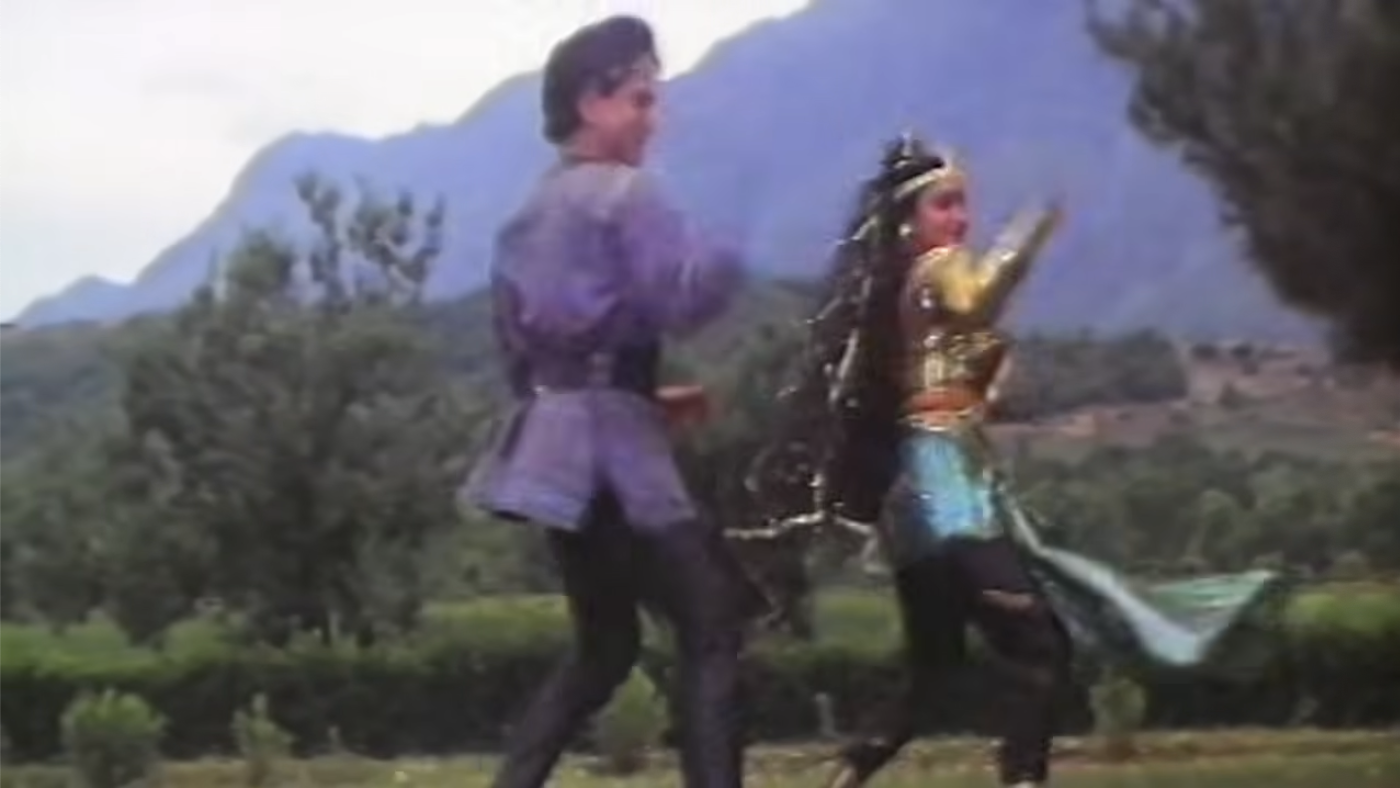
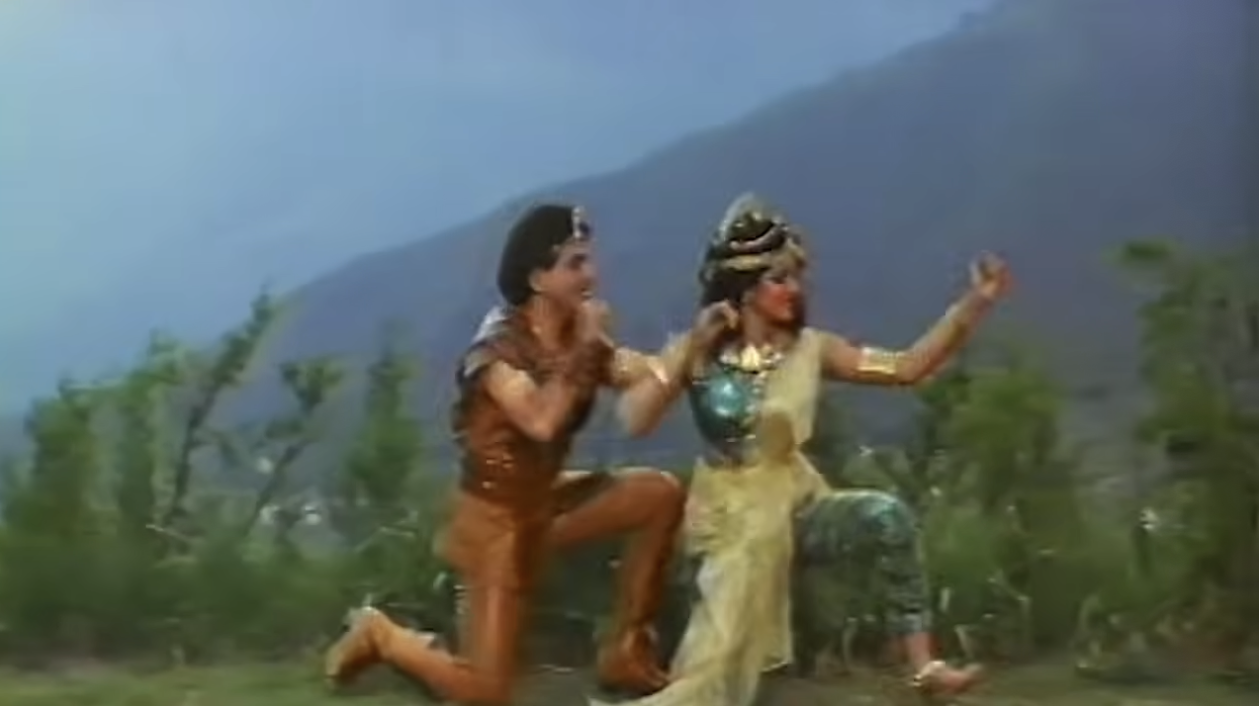
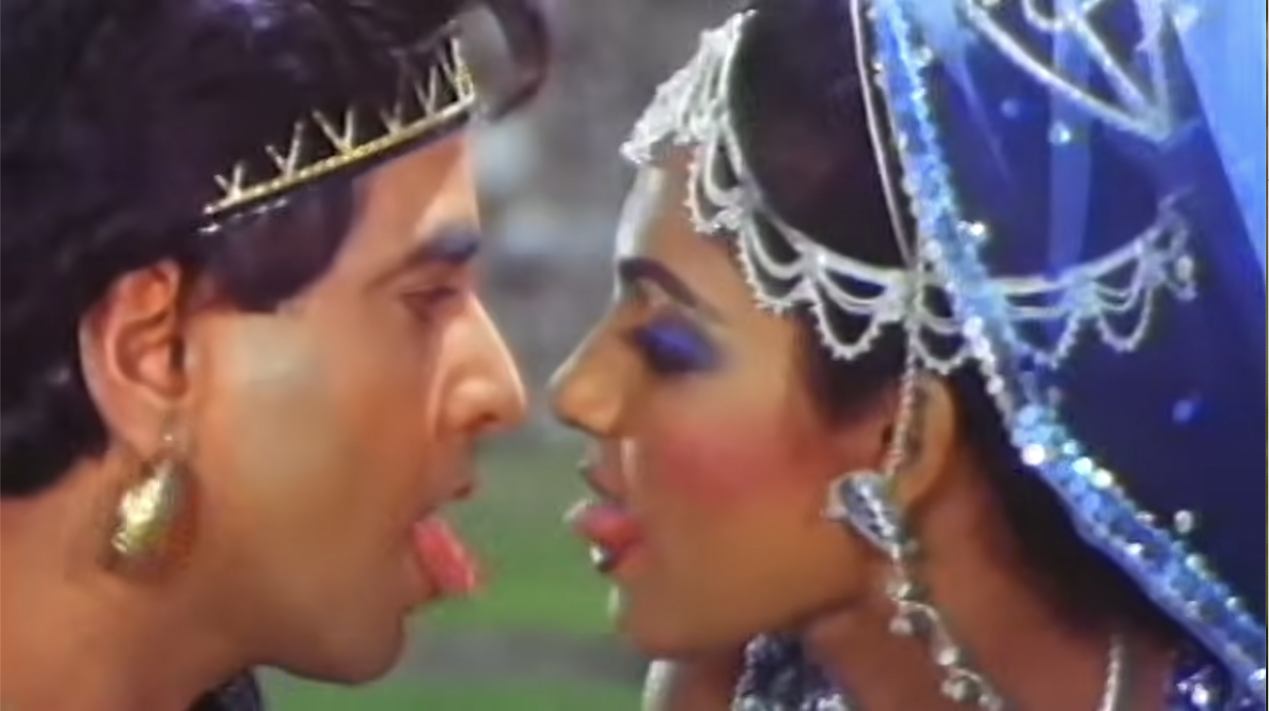
Back to Bhanu and Pritam on a Himalayan hillside singing a love song. This is less notable musically than it is for its costumes: both Madhavi and Jeetendra get several snake outfits each. Hers are shiny and colorful and accented with lots of 1980s makeup, glinting in the sun; his are mostly leathery earth tones. Aghori stomps into frame, ruining the their idyll as he hurls his trident. Aghori orders his henchmen to kill all the snakes they can find. This upsets bumpkin Bhola (Rishi Kapoor), who is an animal-lover and, like the snakes, a devotee of Shiva, and he runs to a temple to ask Shiva for help.
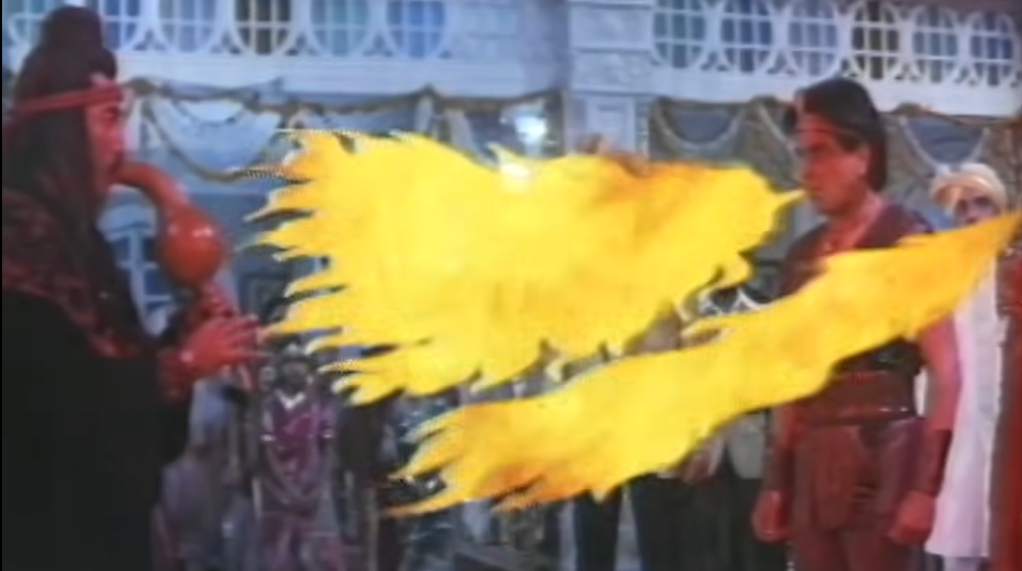
Meanwhile, Pritam confronts Aghori in his lair and demands he free all the snakes. A lot of shouting ensues, and while over the years I have come to generally enjoy Jeetendra as an actor, he is no match for the great Danny, who is overall a stronger actor and also played unhinged villains countless times in his career. They fly at each other, hurl flames, and eventually turn into a snake and mongoose (a segment that the animal safety conscious among us should not watch).
FINALLY, half an hour into the film, the best thing about it appears: the magnificent Rekha. She briefly plays Bhola’s beleaguered older sister Champa, but for most of her screen time she plays Bhanu in Champa’s form, for reasons I will leave you to uncover for yourself. Rekha as a snake—Snake-a!—is everything my stony little heart desires from an Indian cinema goddess, which are also things that she in particular is fantastic at: death glares, looking regal in amazing costumes, and fierce dancing. Bhanu-as-Champa spends a lot of energy avenging the wrongs inflicted on actual Champa, and I’m here for every minute of it. Bhanu-as-Champa also gets some fun scenes trying to sneak around with her divine husband Pritram; Bhola thinks Pritam is leching on his sister, but of course he doesn’t know either of their real identities.
When not trying to defend his sister, who of course is actually a divine snake and does not need his help AND has Pritam nearby to assist, Bhola meets a young woman in the woods, Kamini (Mandakini), and of course she has an imposing father and a creepy suitor. I do not care about any of this plot, particularly because it is relatively devoid of snakes, except to note that father and suitor have cruel, unethical business practices and are devotees of Aghori.
With all these major characters in place, the film continues with rounds of various conflicts that eventually align to have everyone left standing fighting off Aghori’s crazed quest to gain the snakes’ power and treasure and to become immortal. What makes Sheshnaag different from the other Hindi snake films I’ve seen is…ok mostly it’s Rekha, but it’s also the time and energy it spends emphasizing the right way to treat the divinely ordered natural world, snakes included, whether shape-shifting gods or just regular garden-variety cobras and whatnot. I used to think Bhola was a disposable character, but on this re-watch I saw him as a link to this important interpretation: if you see this film as environmental commentary, then he’s crucial. His heart for the local wildlife is repeatedly demonstrated, and he is a great emotional foil to the evil businessmen, who exploit animals for financial gain, and Aghori, who mows them down for revenge and power. I’ve seen other snake films that have an environmental angle and warn against humankind’s hubris in exploiting the natural world, but this one is the most emotionally overt. The people who harm animals in Sheshnaag are wicked and disgusting, taking joy in their destruction. Similarly, the snakes discuss having emotions. Bhola also has a devotion and gentleness that contrast with almost everyone else in the film, who is violent, vengeful, or greedy. Even the snakes spend a lot of time and energy in conflict, albeit for justice and self-protection.
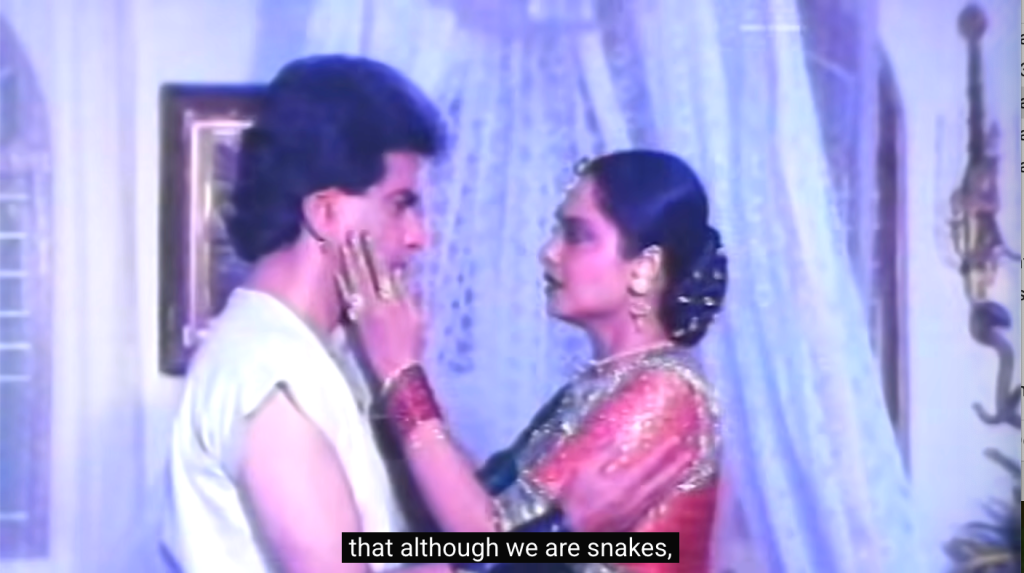
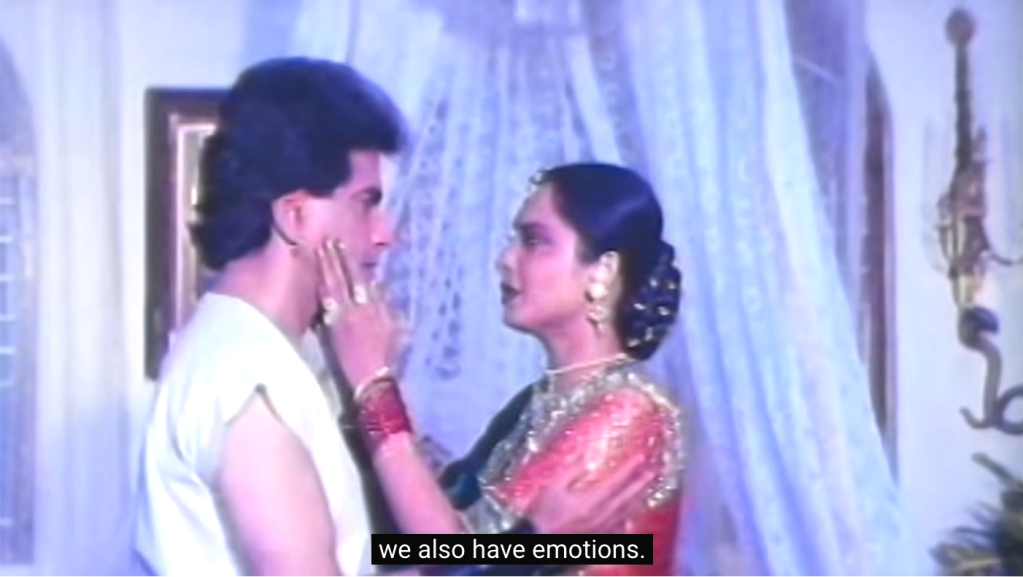
I cannot disagree with this user comment from IMDb: “If you want to see a film on snake world, this is a very right movie to watch.” Let’s sample some of the evidence for this argument.

1. Aghori’s lair is a textbook example of villain lair decor: flames, skulls a waterfall, and rocky faces with fangs.
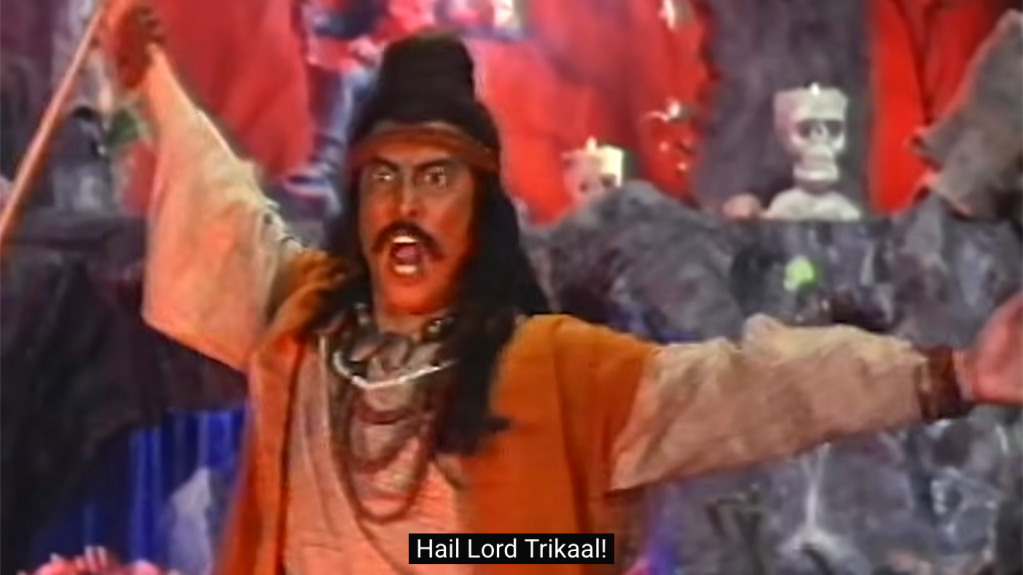
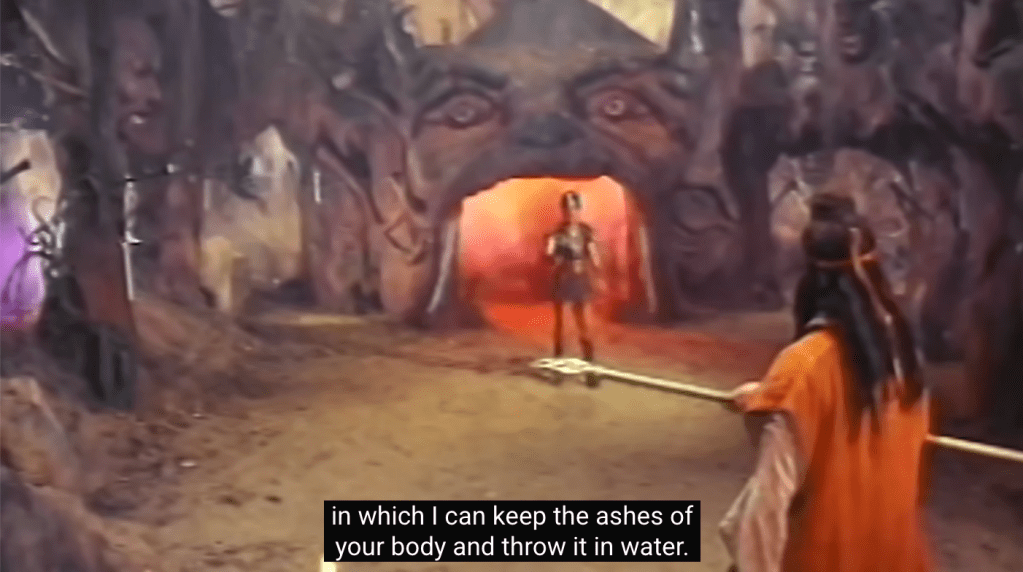
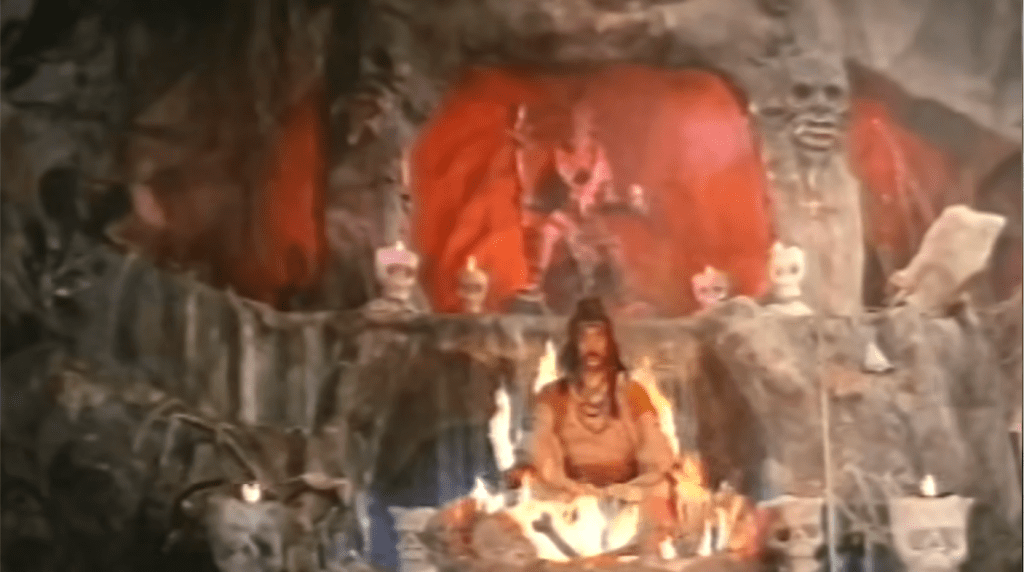
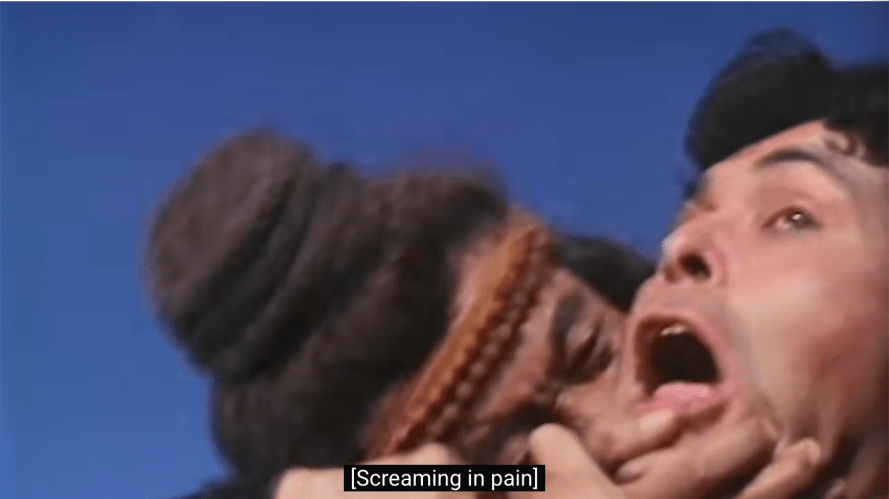
2. I can’t name another Hindi film in which the villain tries to kill a hero by biting him. This also is just the tip of the iceberg of how deranged Danny Denzongpa makes Aghori, and it’s a treat. I don’t think Danny ever did another snake film (I hope I’m wrong), but his Hindi film career to this point had prepared him perfectly. He constantly snarls and stomps and schemes, gnashing his teeth (which the camera loves to highlight) and bugging out his eyes.
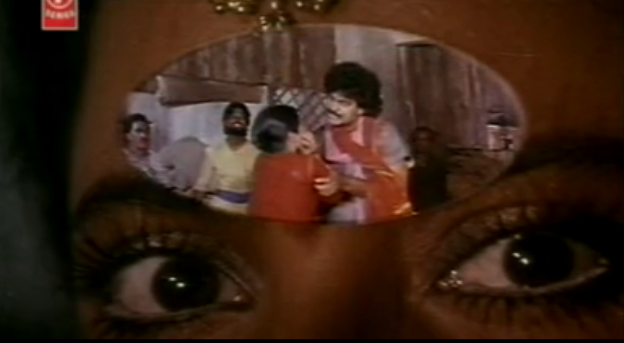
3. We can see inside Bhanu-as-Champa’s head whenever she accesses Champa’s memories. I love that the filmmakers decided to show us this rather than use a voiceover; it’s fun to watch and it also makes this power even more distinct from a regular memory, which of course isn’t what Bhanu is experiencing anyway. She is…empathizing? downloading? Whatever it is, it’s cool.
4. It’s not every day you get to see a major Bollywood star spit in a dance number, especially when said action causes someone’s to separate from his body. Bhanu-as-Champa has an epic dance-fight with Aghori (more on that in a second) in a crowded room, and I wonder what the background characters would be thinking.

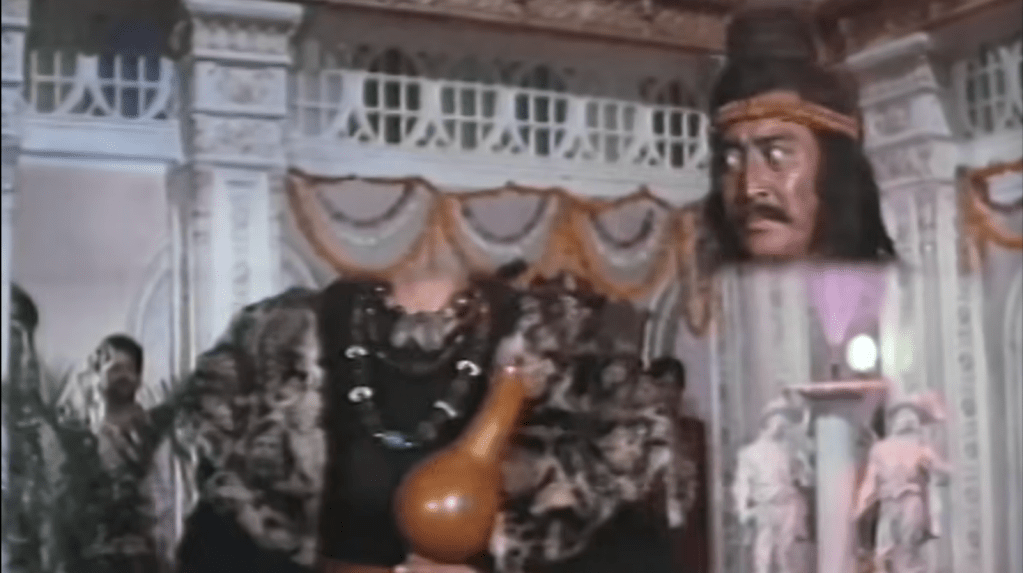
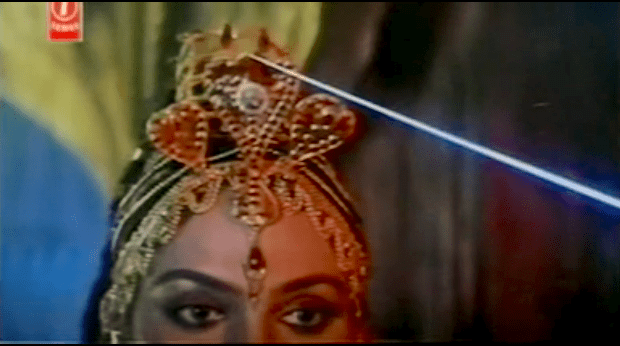
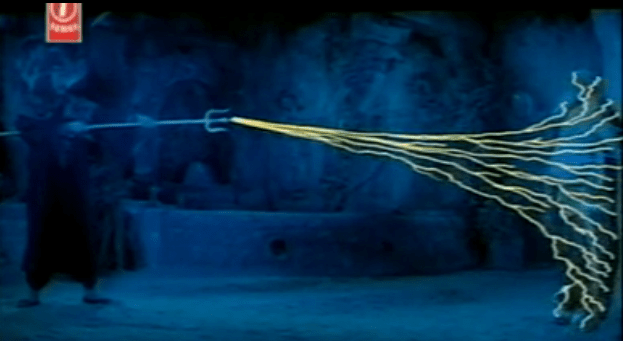
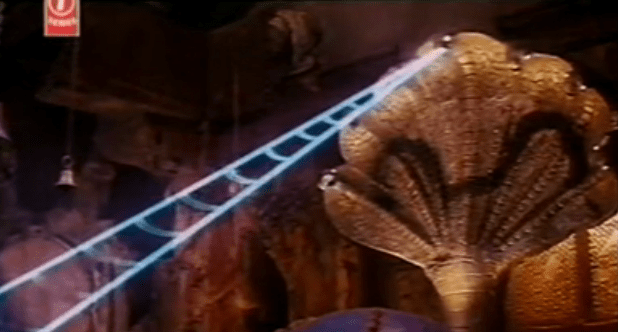
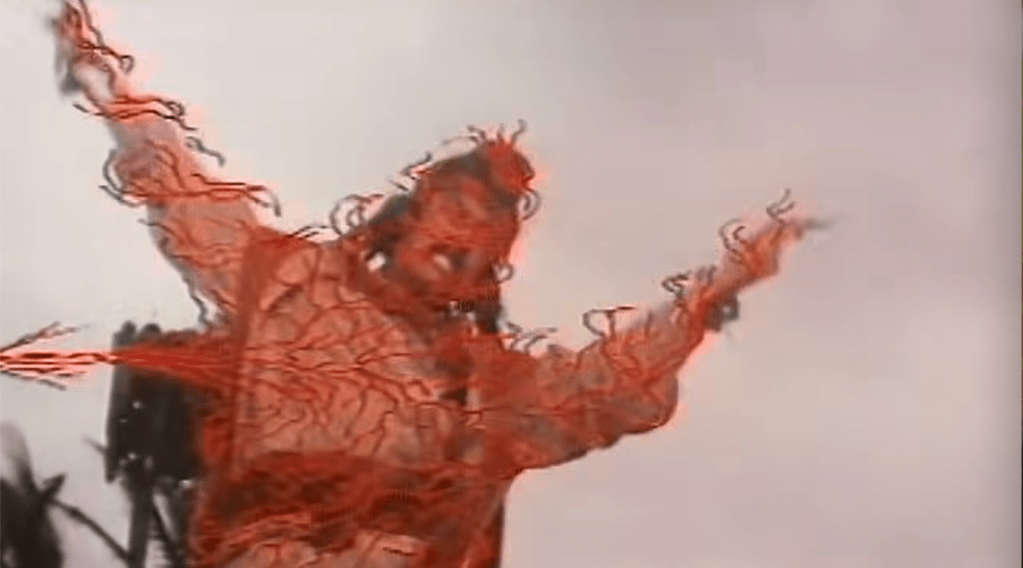
5. In a movie full of low-tech effects, the head-separating is my favorite, but there are many others to admire, including flying deities and the snakes’ laser powers. Enjoy some of them in the gallery below.

6. There is a never-ending parade of animal cameos illustrating Bhola’s appreciation for nature: in addition to snakes, there are goats, a bear, elephants, big cats, boing-boingy deer, and a bunny. (They were hard to get a clear screen grab of, but trust me.)
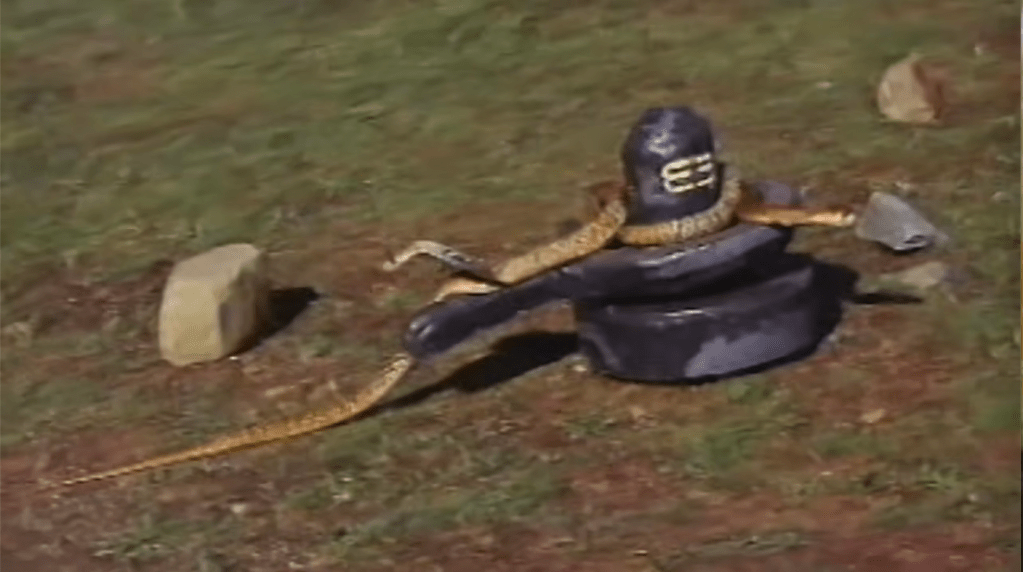
7. The god Shiva is very helpful throughout. The snakes coil around a lingam and inch with it out of the reach of flames hurled by Danny, and a much larger one proves a very handy weapon in the supernatural brawl at the climax.
8. Bhanu-as-Champa lives in a house tastefully appointed with not inconspicuous clues to her true identity. If anyone comments on the snake motif, I didn’t catch it, but a few characters will wish they had noticed, because these aren’t mere knickknacks. Oh no. They can turn into the real thing when needed!
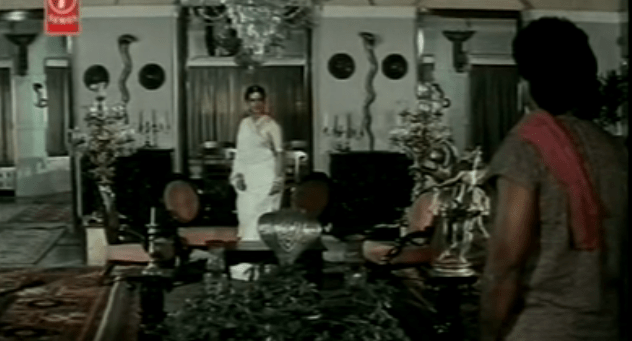
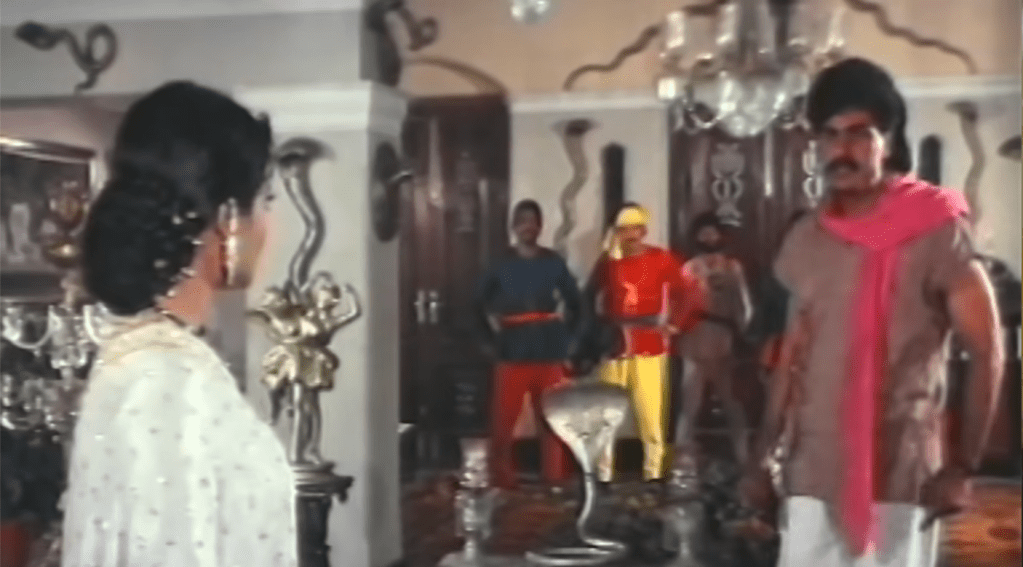
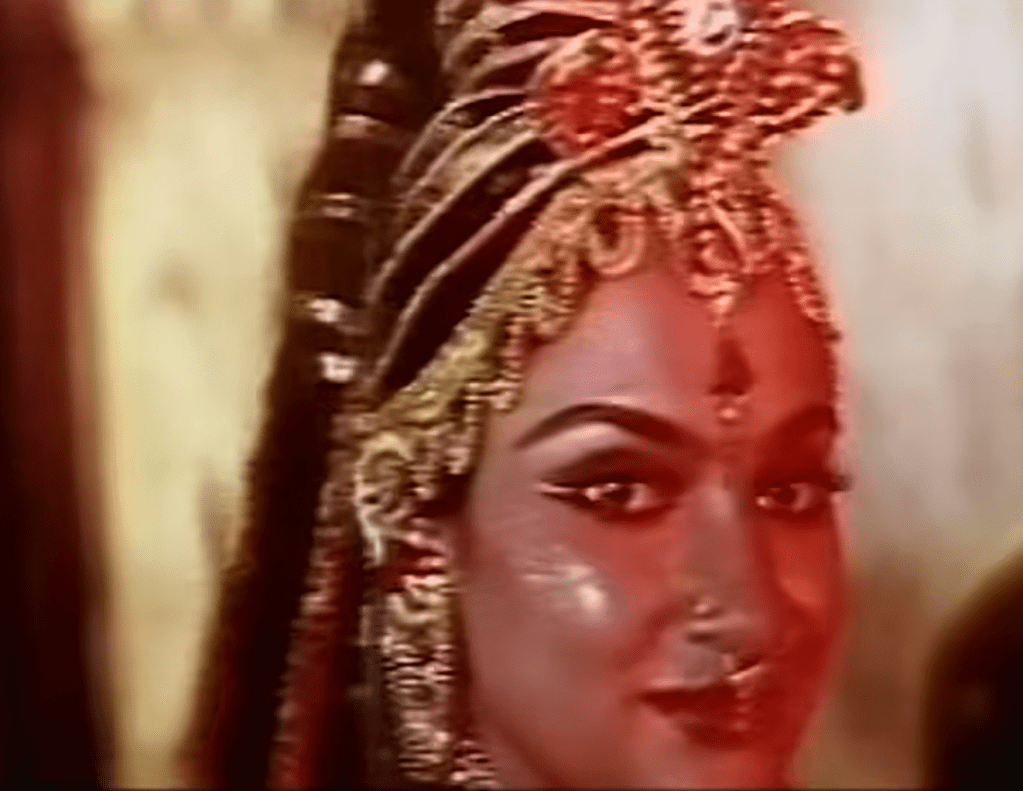
9. The snake costumes! Shiny, sparkly, slinky, full of motion—and very clearly demarcating the divine in snake form.
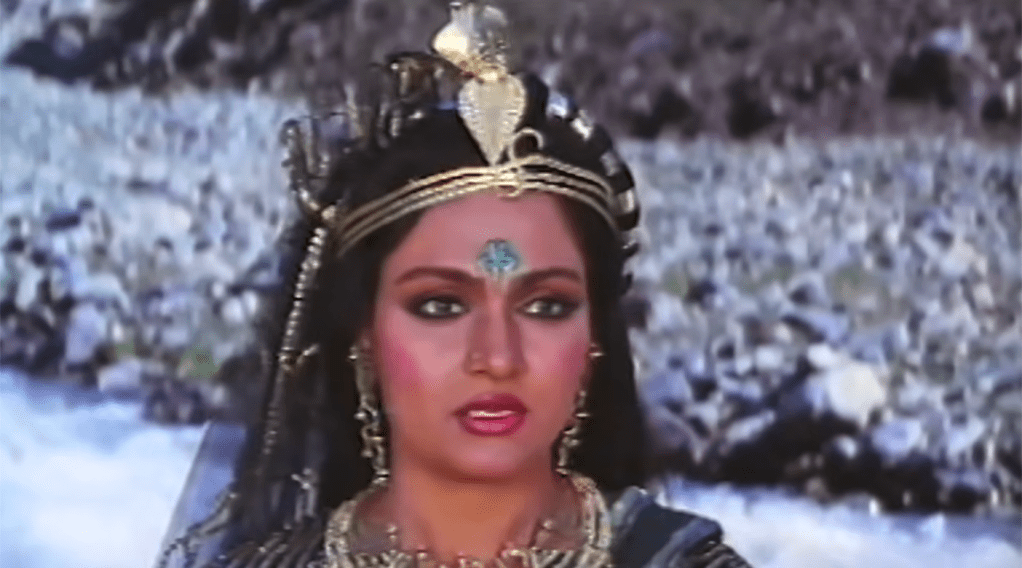

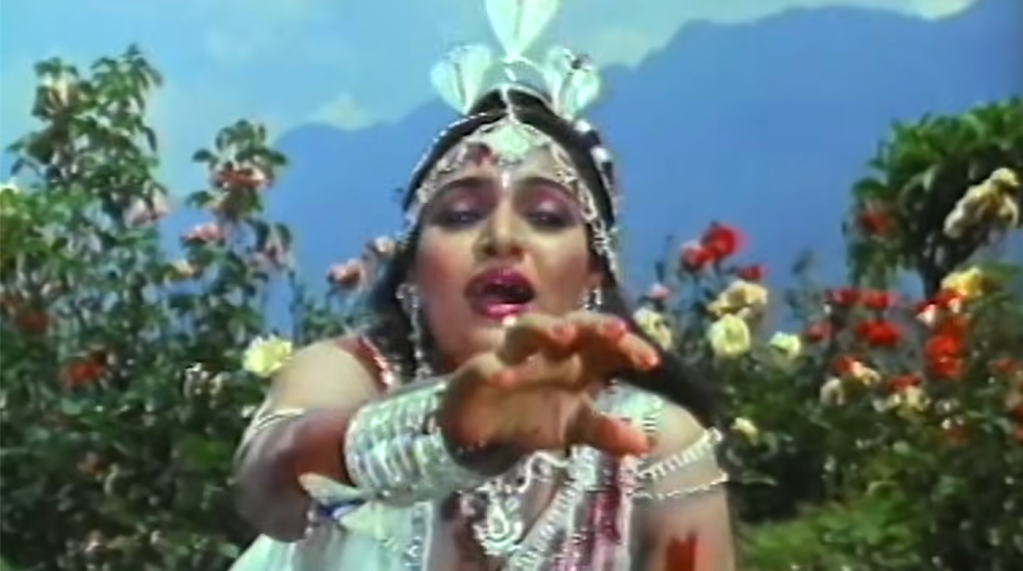


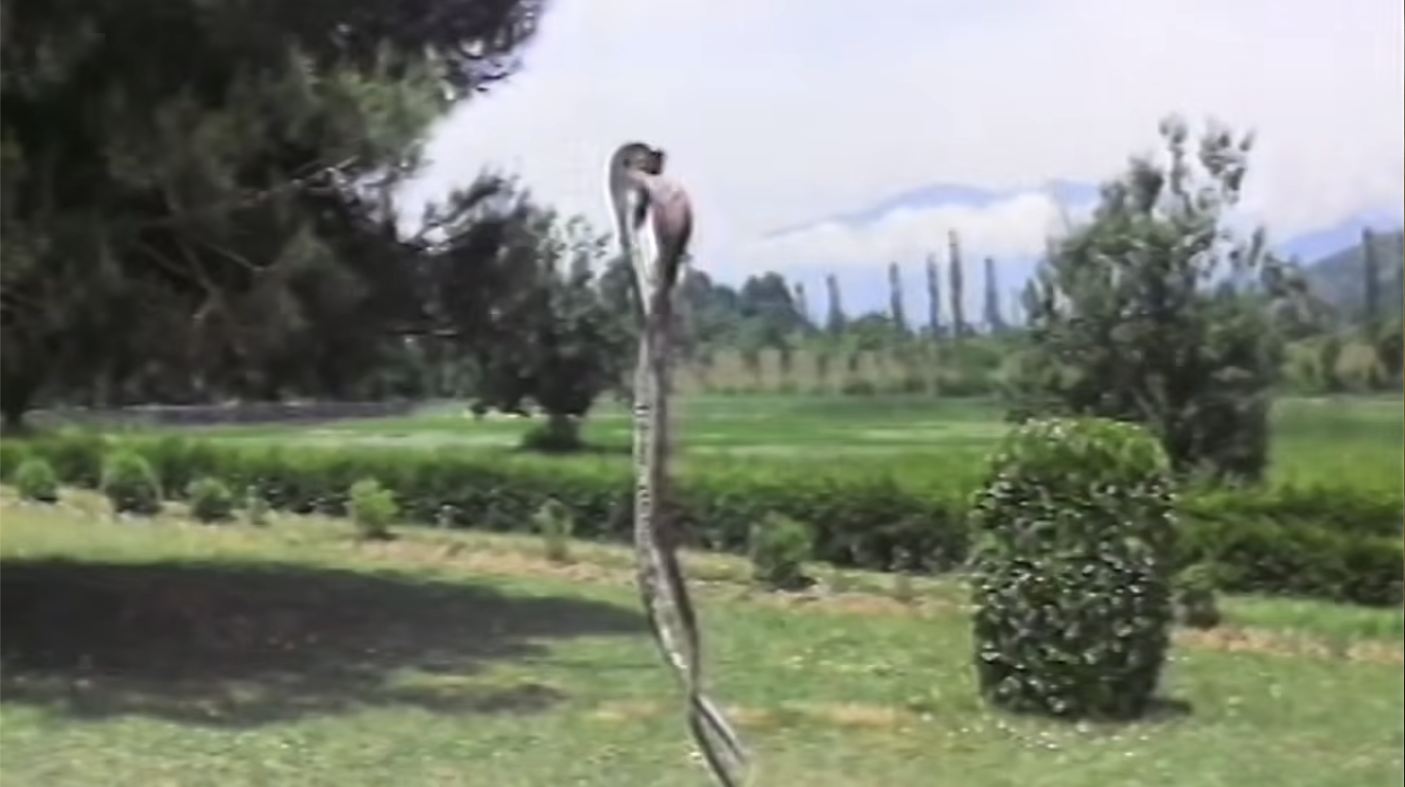
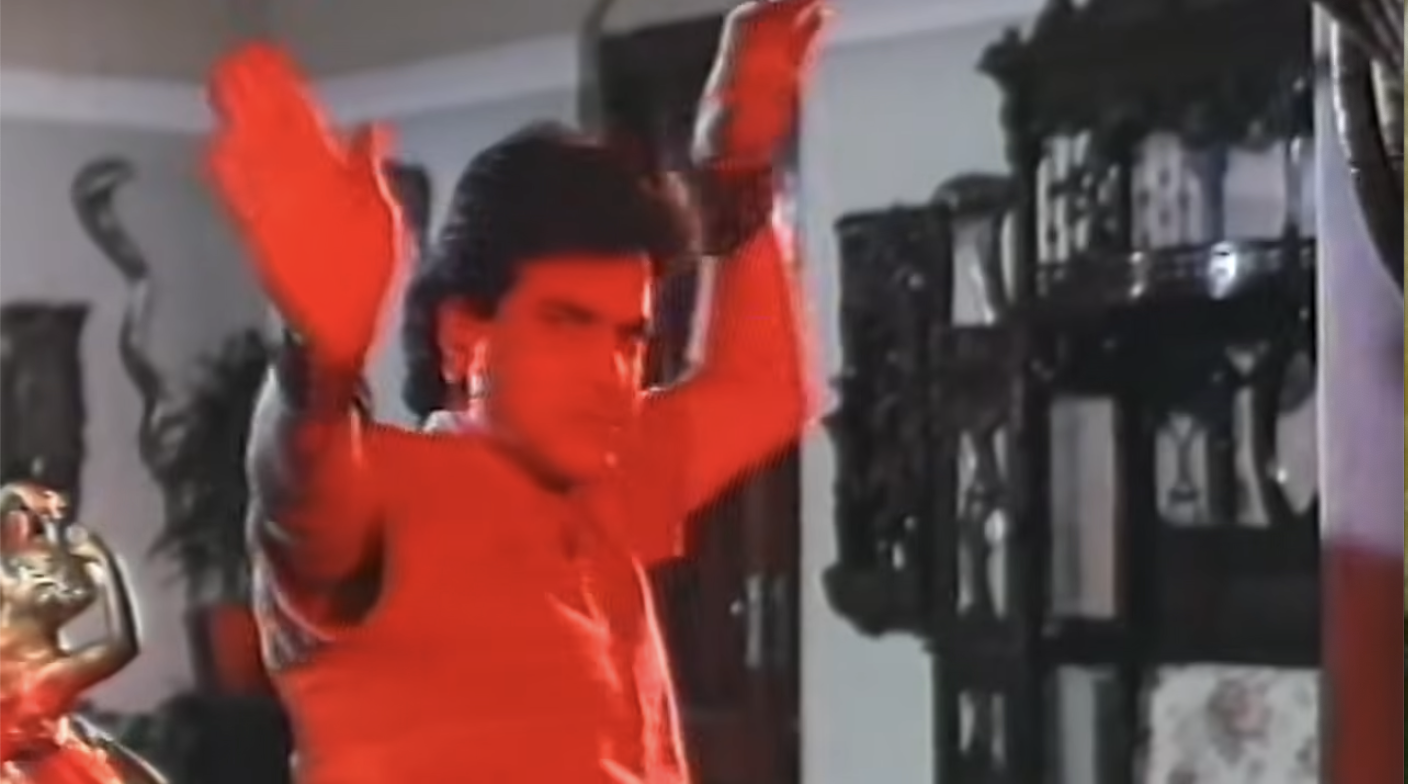
10. The snake dancing (in which I include the serpent-inspired fighting moves Pritam employs in combat)! Note the actual entwined snakes appearing to levitate in one of the songs as you can see in the slideshow below.
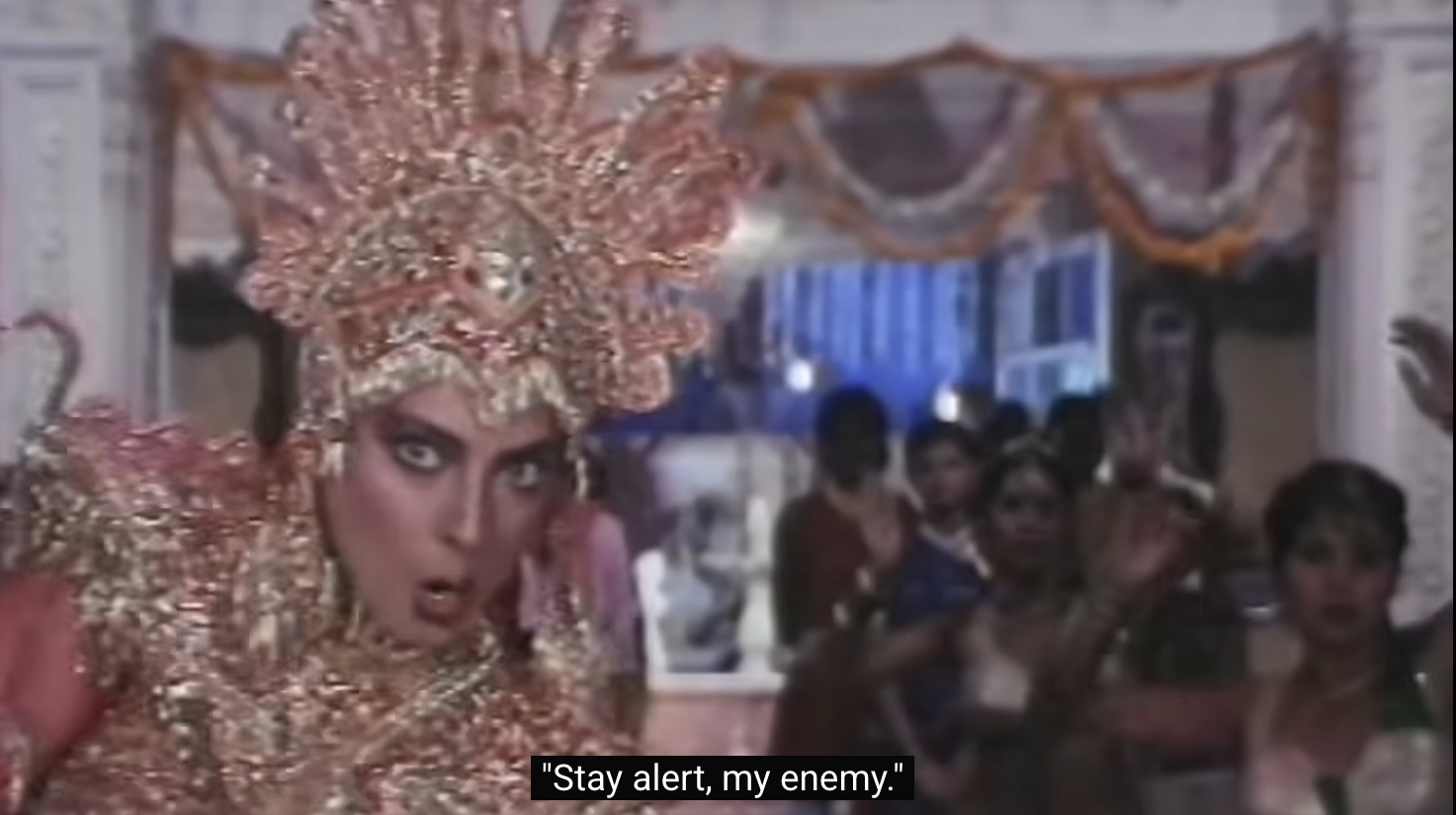
There are many snake dance sequences, but Rekha’s big solo (Bhanu-as-Champa again, although Aghori knows her true identity by this point) is the pinnacle in the fantastic “O Mere Dushman.” There is all kinds of crazy happening in this song, and Rekha owns every frame.
Composers Laxmikant-Pyarelal’s riffs with the pungi (the wind instrument that makes the sound you associate with “snake charmers”) are great too. This song is a fabulous example of all the elements of Bollywood musical sequences working together to make an effective, evocative, memorable piece that fits seamlessly into the story. Costumes, choreography, music, light crew, stars, backup dancers, and situation all get top marks from me.
See? Sheshnaag is very right indeed! Watch it for free on Youtube with English subtitles. (The visual quality is poor, but it’s the only one I’ve found with subtitles.)

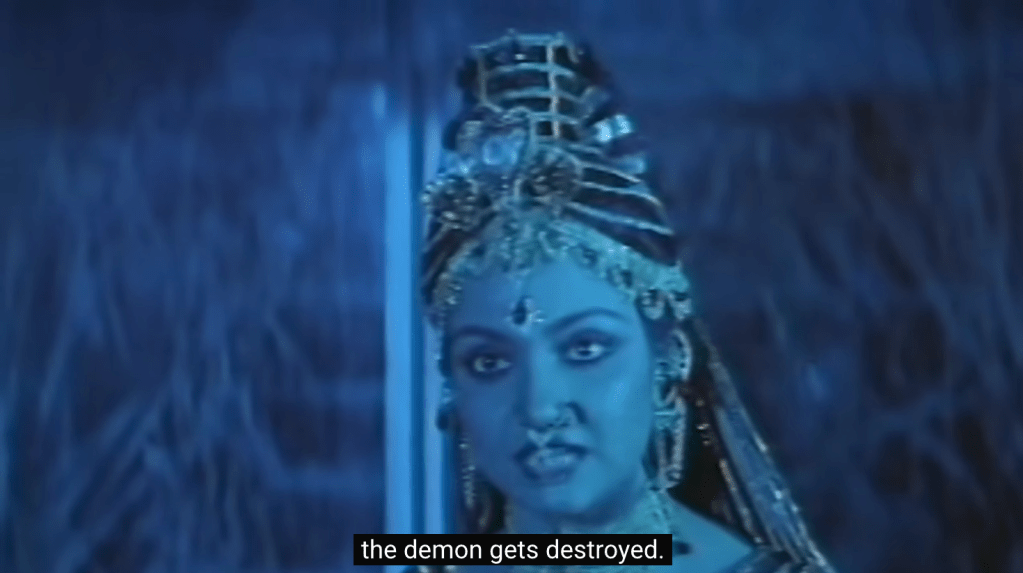
Any day now, Bhanu. Please.
* I’m saying “Hindi” deliberately because those are the bulk of my experience with Indian snake films. I know other language cinemas make them, but I just haven’t seen enough of those to comment.
~~~
The snake decor in Beth Watkins’ house is merely ornamental and not any kind of clue.
Categories: Screen